


Limescale and residues build up and gradually impair the operation of your bean-to-cup coffee machine. That’s why it’s essential to…



Written by Chloé
If you’ve recently bought — or are about to buy — a self cleaning coffee machine, you may have noticed that it automatically runs water through its system every time you switch it on or off. While it may seem wasteful at first, this automatic cleaning cycle is one of the most important maintenance features on a bean to cup coffee machine. It removes coffee oils, coffee grounds, and residue from the brewing system, helping to preserve flavour, improve hygiene and extend the life of your machine.
A self cleaning coffee machine is designed to perform several maintenance tasks automatically. Depending on the manufacturer, these may include:
These functions help reduce the amount of manual maintenance required while ensuring consistently excellent coffee.
Several substances naturally accumulate inside any automatic coffee machine .

Freshly roasted coffee contains natural oils responsible for many of its rich aromas. During extraction, these coffee oils coat the brewing chamber, dispensing nozzles and internal pipes.
If left untreated, they oxidise over time, creating unpleasant flavours and potentially clogging the machine.

Every brew leaves behind tiny fragments of coffee grounds .
Although the spent coffee puck is ejected into the waste container, microscopic particles remain inside the brew group, extraction chamber and coffee outlets. Without regular rinsing, these particles gradually accumulate.

Another major enemy of any bean to cup coffee machine is limescale. Whenever water is heated, minerals naturally present in hard water form deposits inside the thermoblock, heating system and pipework.
Excessive limescale reduces heating efficiency, restricts water flow and may eventually damage internal components.
The automatic rinse cycle serves one simple purpose: keeping your bean to cup coffee machine clean.
Every espresso leaves behind microscopic coffee grounds, oils and tiny particles inside the brewing circuit. If these residues remain inside the machine, they gradually build up and can affect both performance and flavour.
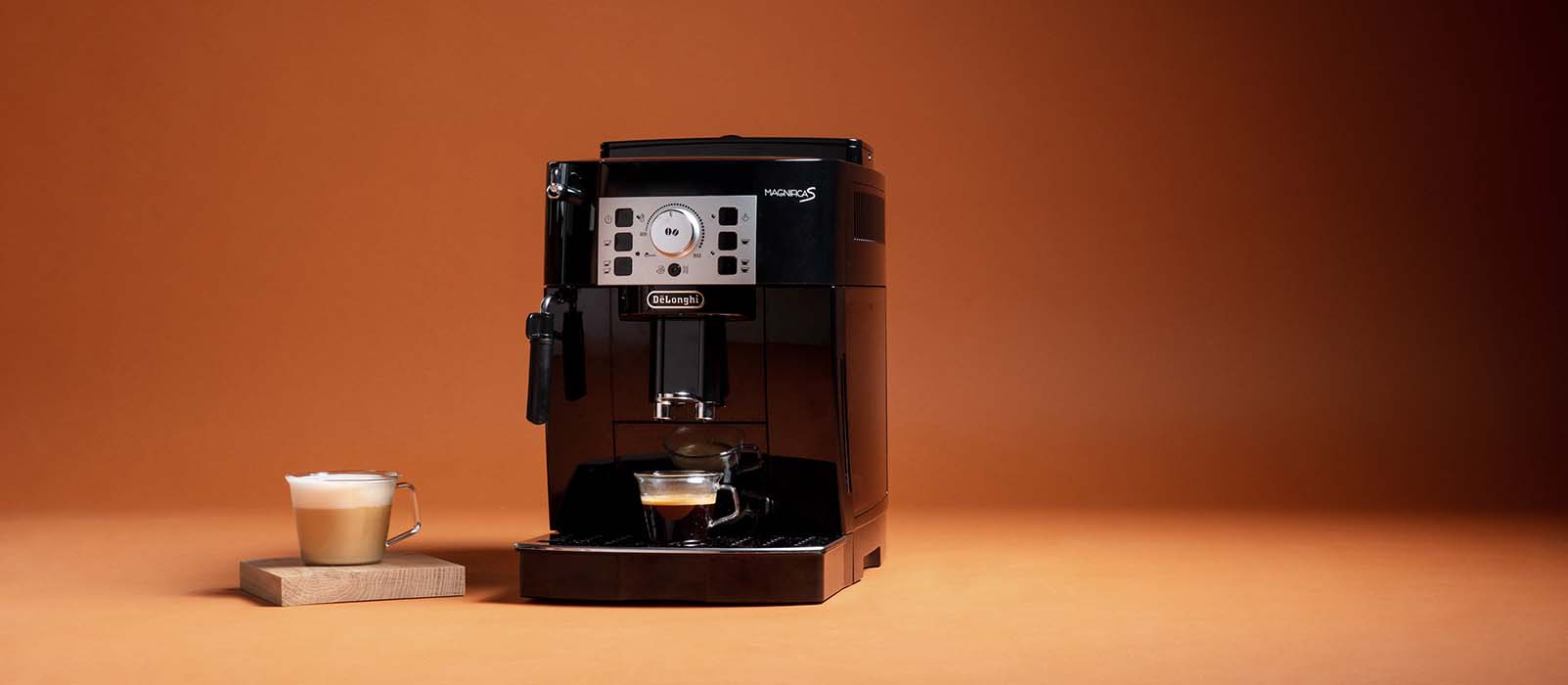
The rinse cycle flushes these deposits away before they have time to harden. Although it only uses around 15–25ml of water, this quick rinse significantly reduces the amount of residue left inside the coffee outlets and internal pipework.
During the coffee machine rinse cycle, hot water is pumped through the brewing circuit and coffee outlets. This process removes:
By removing these residues before they dry, the rinse cycle helps maintain excellent coffee flavour while preventing future blockages.
When your self cleaning coffee machine starts up, it performs a quick rinse to remove any residue left from the previous brewing session.
This ensures your first coffee of the day isn’t contaminated by stale oils or dried coffee particles. It also warms the brewing circuit, helping your espresso reach the correct brewing temperature more quickly.
The second rinse cycle is equally important. After brewing, fresh coffee oils and fine grounds remain inside the extraction system. The shutdown rinse removes these deposits before they have time to dry onto internal components.
Skipping this cleaning step would gradually increase residue inside the machine and eventually affect both flavour and reliability.
Many new owners worry when they discover water collecting inside the drip tray, even if they haven’t spilled anything. This is completely normal.
The drip tray collects wastewater produced during:
The water often contains traces of coffee oils and fine coffee particles, showing just how much residue the machine removes during each rinse.
For this reason, the drip tray should be emptied and cleaned regularly.
In almost every case, the answer is no. Although waiting for the rinse cycle may feel inconvenient, it plays a crucial role in protecting your self cleaning coffee machine.
Disabling automatic rinsing increases the risk of:
The small amount of water used is a worthwhile investment in your machine’s longevity.
Even the best self cleaning coffee machine still requires routine maintenance.
Automatic rinsing removes coffee residue, but it cannot eliminate limescale. You should descale your coffee machine whenever prompted by the manufacturer or approximately every two to three months, depending on your local water hardness.
Using a water filter in the water tank also helps reduce mineral build-up.
The brew group is where coffee extraction takes place, making it one of the most important parts of your machine. If your model has a removable brew group, rinse it weekly using lukewarm water before allowing it to dry naturally.
Machines with non-removable brew groups should be cleaned using the manufacturer’s recommended cleaning tablets.
The grinder also collects coffee oils and fine coffee particles. Over time, these residues may affect grind consistency and flavour.
Cleaning the grinder approximately once a month with specialist grinder cleaning granules helps maintain optimal performance.
Don’t wait until the container is overflowing. Used coffee grounds retain moisture and can quickly develop mould or unpleasant odours if left inside the machine.
Wash the coffee grounds container regularly using warm water and allow it to dry completely before replacing it.
The drip tray collects wastewater, coffee residue and oils every day. Cleaning it weekly prevents unpleasant smells and helps maintain overall hygiene.
Many people assume that descaling and cleaning a coffee machine are the same thing, but they actually solve two very different problems. Even if you own a self cleaning coffee machine, you’ll still need to perform both maintenance tasks regularly.
Every time you brew coffee, tiny particles of coffee grounds and natural coffee oils remain inside the brewing unit, coffee outlet, grinder and internal pipework. Over time, these residues become rancid, affecting both flavour and hygiene.
Regular coffee machine cleaning helps to:
Many bean-to-cup coffee machines include an automatic rinse cycle, but this only cleans the coffee circuit. It doesn’t replace a complete cleaning cycle using cleaning tablets or manual maintenance.
Descaling targets mineral deposits left behind by hard water. As water is heated, calcium and magnesium gradually build up inside the thermoblock, boiler and internal pipes.
If you skip regular descaling, you may notice:
Even the most advanced self cleaning coffee machine cannot prevent limescale from forming, which is why manufacturers recommend using a dedicated descaling solution every few months.
Think of it this way:
| Cleaning | Descaling | |
|---|---|---|
| Removes | Coffee oils and coffee residue | Mineral deposits and limescale |
| Protects | Flavour | Internal components |
| Frequency | Usually weekly or monthly | Usually every 2–3 months, depending on water hardness |
| Method | Cleaning tablets or water | A dedicated descaling product |
If you’re comparing brands before buying, it helps to know that almost every major manufacturer now builds some form of self-cleaning coffee machine technology into its bean-to-cup coffee machines. The level of automation varies, from a simple rinse cycle to a fully guided cleaning and descaling programme with dedicated tablets.
Here’s an overview of the main ranges available at Coffee Spirit and what their self-cleaning features actually do:
| Brand | Popular Ranges | Self-Cleaning Function |
|---|---|---|
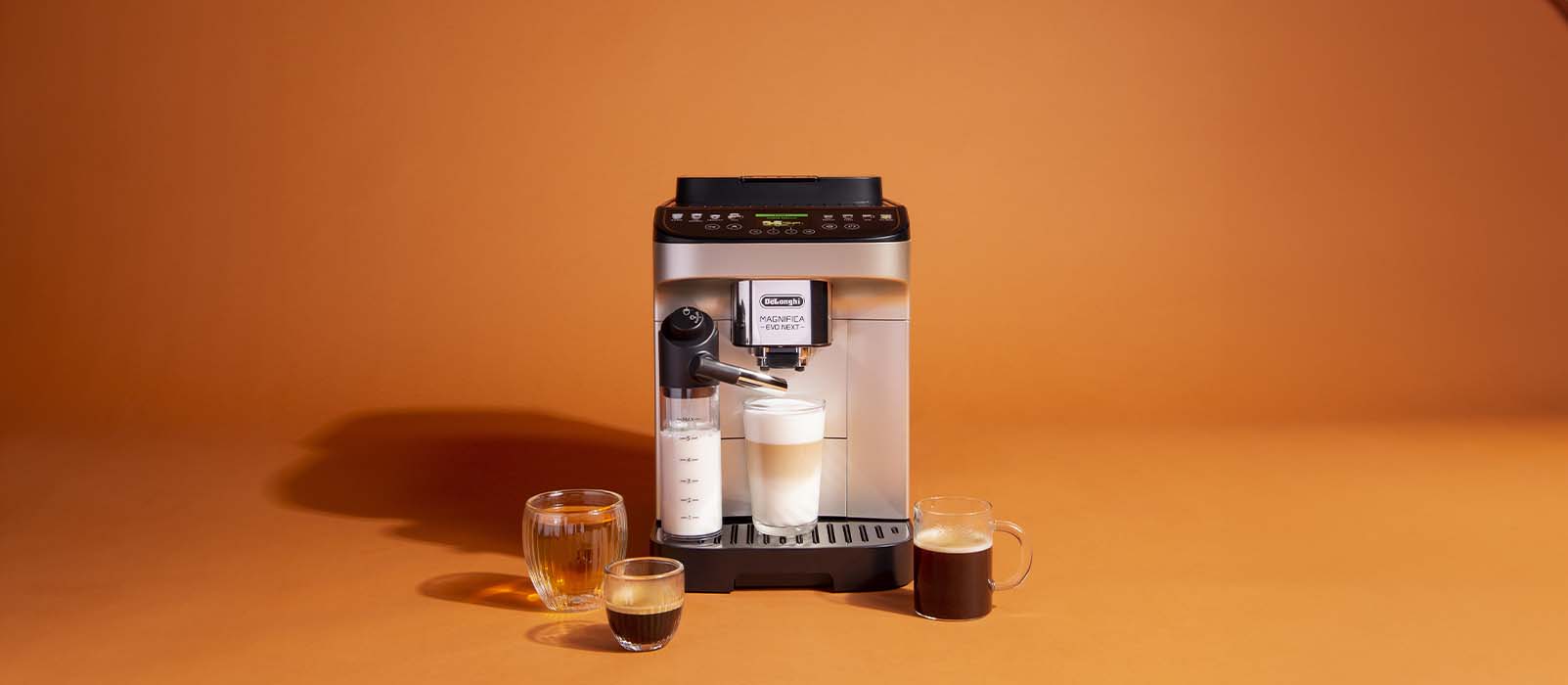
| De’Longhi | Magnifica Start, Magnifica Evo, Dinamica, Dinamica Plus, Eletta Explore, Rivelia, PrimaDonna Soul | Automatic rinse cycle on start-up and shutdown, plus guided cleaning and descaling programmes |
| Jura | E4, E6, E8, ENA 4, ENA 8, S8, J8, Z10, GIGA | Automatic rinse cycle plus a guided automatic cleaning programme using dedicated Jura cleaning tablets |
| Philips | Series 2200, Series 3200, Series 4300, Series 5400 | Automatic rinse cycle plus guided maintenance programmes |
| Saeco | GranAroma, Xelsis | Automatic cleaning of the coffee circuit and, on selected models, of the milk system |
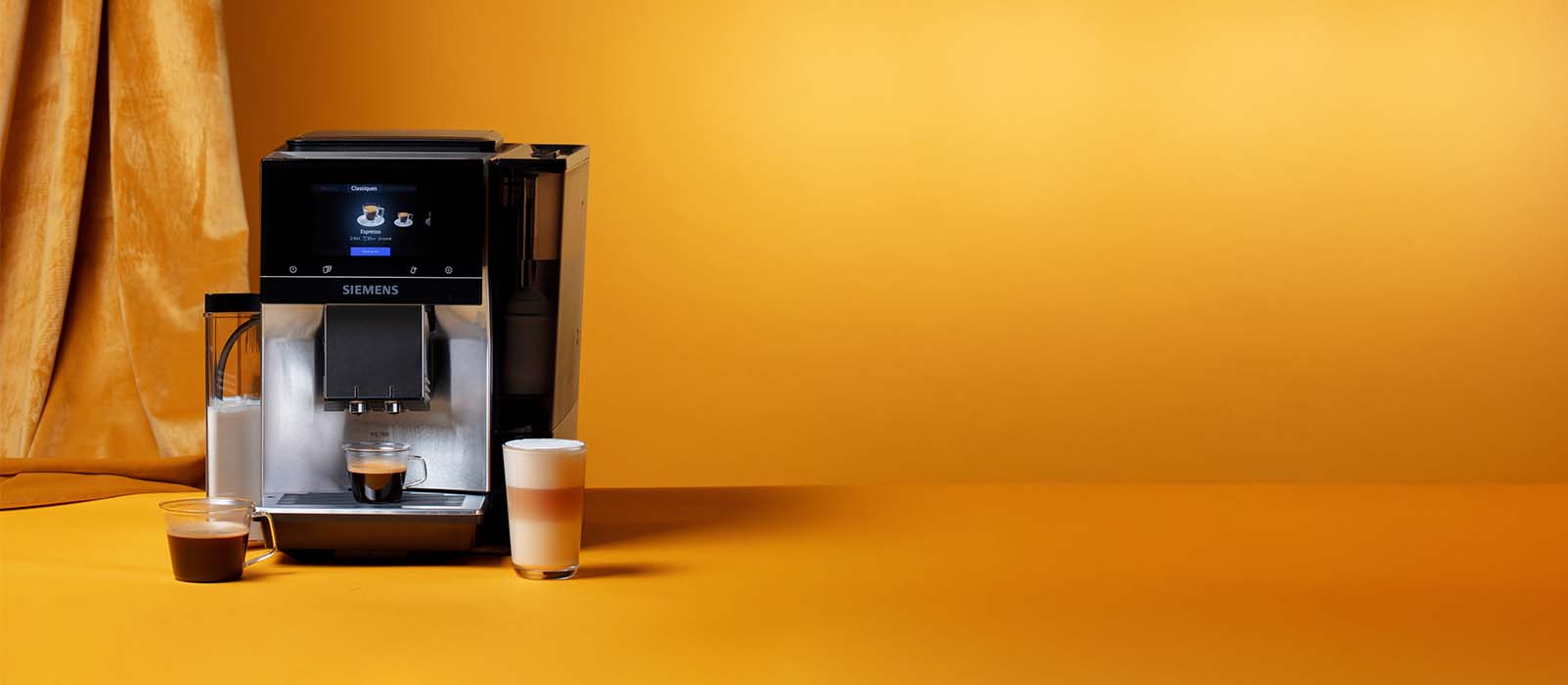
| Siemens | EQ.300, EQ.500, EQ.700, EQ.900 | Automatic rinse cycle, guided maintenance programmes and the autoMilk Clean system on models fitted with a milk spout |
| Melitta | Solo, Purista, Passione, Avanza, Barista TS Smart, LatteSelect | Automatic cleaning and descaling programmes |
| Krups | Essential, Sensation, Evidence, Intuition, Evidence Eco Design | Automatic rinse cycle plus cleaning and descaling programmes |
| Nivona | Series 5, Series 6, Series 7, Series 8, Series 9 | Automatic cleaning of the brew group and the milk circuit |
| Kottea | CK range (selected models) | Automatic rinse cycle and guided maintenance programmes |
| Best for | Model | Why |
|---|---|---|
| Easiest everyday cleaning | Philips 5400/5500 LatteGo | 2-part LatteGo milk system rinses under the tap in 10–15 seconds, dishwasher safe |
| Best all-round auto-clean | De’Longhi Magnifica Evo Next | One-touch LatteCrema milk carafe cleaning, guided descaling with water-hardness test strip |
| Most automated (premium) | Jura E8 | Integrated rinsing, cleaning and descaling programme; One-Touch milk system cleaning; requires proprietary tablets |
| Simplest / budget-friendly | De’Longhi Magnifica S | Automatic rinse cycles only, manual steam wand — less to clean overall |
Beyond the ranges already covered, a few other names come up often when comparing built-in and fully automatic makers on cleaning credentials alone.
Sage and Miele are two of the most established names when it comes to built-in makers designed for fitted kitchens. Thanks to their automatic rinse cycle, both brands keep the brewing circuit clean between drinks, and their built-in makers include guided descaling programmes as standard.
Jura’s fully automatic machines are known for their one touch operation: select your drink and the machine handles grinding, brewing and rinsing without further input. Thanks to one touch operation, there’s very little for you to manage day to day.
De’Longhi automatic models range from entry-level De’Longhi bean cup machines to premium options, and running a simple retail comparison between De’Longhi models is the easiest way to spot which self-cleaning features are included at each price point. Always check the manufacturer’s manuals before buying, since cleaning programmes can vary between models.
Miele integrated machines are popular in both home kitchens and retail or office settings, where a built-in bean-to-cup machine needs to run reliably with minimal manual intervention. Their manuals detail specific descaling intervals, and prices generally reflect the fully integrated, plumbed-in design.
If you’re shopping on a bean cup budget, entry-level automatic bean cup machines still include a basic rinse cycle, even if they lack the guided cleaning displays found on premium models. Thanks to guided cleaning displays on higher-end models, spotting when to run a cleaning or descaling programme is straightforward.
Beyond cleaning, check whether the machine offers genuine espresso extraction, a filter coffee mode and a removable milk frother, since these affect both the drinks you can make and how easy the machine is to keep clean.
Automatic rinsing itself is virtually free (a few pence of water), but the guided cleaning and descaling programmes it triggers do have a running cost:
No.
A self cleaning coffee machine performs many cleaning tasks automatically, but it still requires regular descaling, emptying of the drip tray, cleaning of the brew group and occasional maintenance of the grinder.
Automatic cleaning greatly reduces maintenance but doesn’t eliminate it entirely.
The rinse cycle uses only a very small amount of water, typically less than an espresso shot.
Considering the protection it provides against stale coffee residue and blocked pipework, this small amount of water is well worth it.
Some users even collect the rinse water to water household plants.
While the automatic rinse removes coffee oils and loose residue, it cannot remove limescale or replace regular maintenance.
If your coffee suddenly tastes bitter or stale, it may be time to:
Yes, every coffee machine needs regular cleaning, even a self cleaning coffee machine. Automatic rinsing removes loose coffee oils and grounds, but descaling, brew group care and drip tray emptying remain manual tasks.
The self clean function runs an automatic rinse cycle, usually when the machine switches on or off, to flush coffee oils and grounds out of the brewing circuit before they dry. On some models it also triggers guided cleaning or descaling programmes at the touch of a button.
Alongside the automatic rinse cycle, it’s good practice to carry out a deeper clean every few weeks. This includes cleaning removable components, washing the drip tray, emptying the coffee grounds container and running the manufacturer’s recommended cleaning programme.
Following these routines helps your bean to cup coffee machine produce consistently delicious coffee for many years.
So, how do you feel about the automatic coffee machine rinsing of your nozzles now? This cleaning cycle serves a really important function in maintaining your machine and increasing its lifespan. So don’t whatever you do turn it off, and be sure to feed your plants with the water it produces. If you have any questions on this subject, please don’t hesitate to leave us a comment. In the meantime, I’ve got to run – my coffee machine is asking to be cleaned!
Discover all of our articles

Our website has had a complete makeover, with a new design and improved features to make your-day-to-day browsing experience easier and more enjoyable.
To continue enjoying the MaxiCoffee experience, you’ll just need to reset your password.