

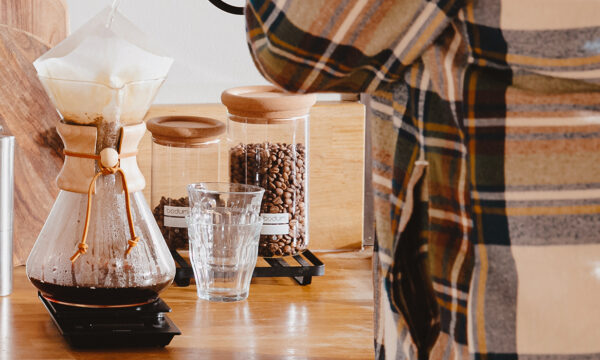
A true icon of Slow Coffee, the Chemex is an extraction method, a skill and a work of art. If…



Written by Chloé
Wondering how to make filter coffee that tastes just as good as your favourite café brew? Whether you’re using an electric filter coffee machine, a dripper, a Chemex, or another pour-over coffee maker, mastering a few key techniques can dramatically improve your results. From choosing the right coffee beans and grind size to understanding the ideal coffee-to-water ratio, this guide will help you brew delicious filter coffee at home every time.
How make filter coffee Discover
Filter coffee is one of the most popular brewing methods worldwide. Unlike espresso, where water is forced through coffee under pressure, filter brewing relies on gravity to slowly extract flavours from the coffee grounds.
This gentler extraction highlights the coffee’s natural aromas, acidity and sweetness, making it an excellent choice for anyone who wants to explore the unique characteristics of different origins and roasts.
Popular filter brewing methods include:
The result is a clean, balanced and aromatic cup that’s perfect for everyday drinking.
For most brewing methods, a ratio of 60g of coffee per litre of water (approximately 1:16) provides an excellent starting point. This ratio creates a balanced cup that highlights the coffee’s natural characteristics without over-extraction or under-extraction.
If your brew tastes too strong or bitter, you’re using too much coffee. Try reducing to a 1:17 or 1:18 ratio for a lighter cup. If it tastes weak or watery, you’re using too little coffee—increase the amount slightly to around 1:15.
Freshly ground coffee, accurate measurements and a controlled brewing time will help you achieve consistent, flavourful results every time.d
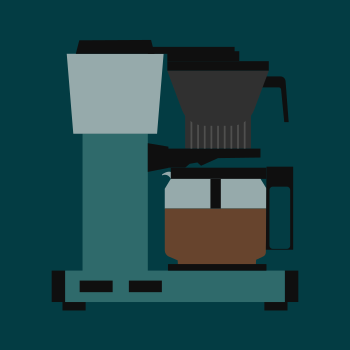
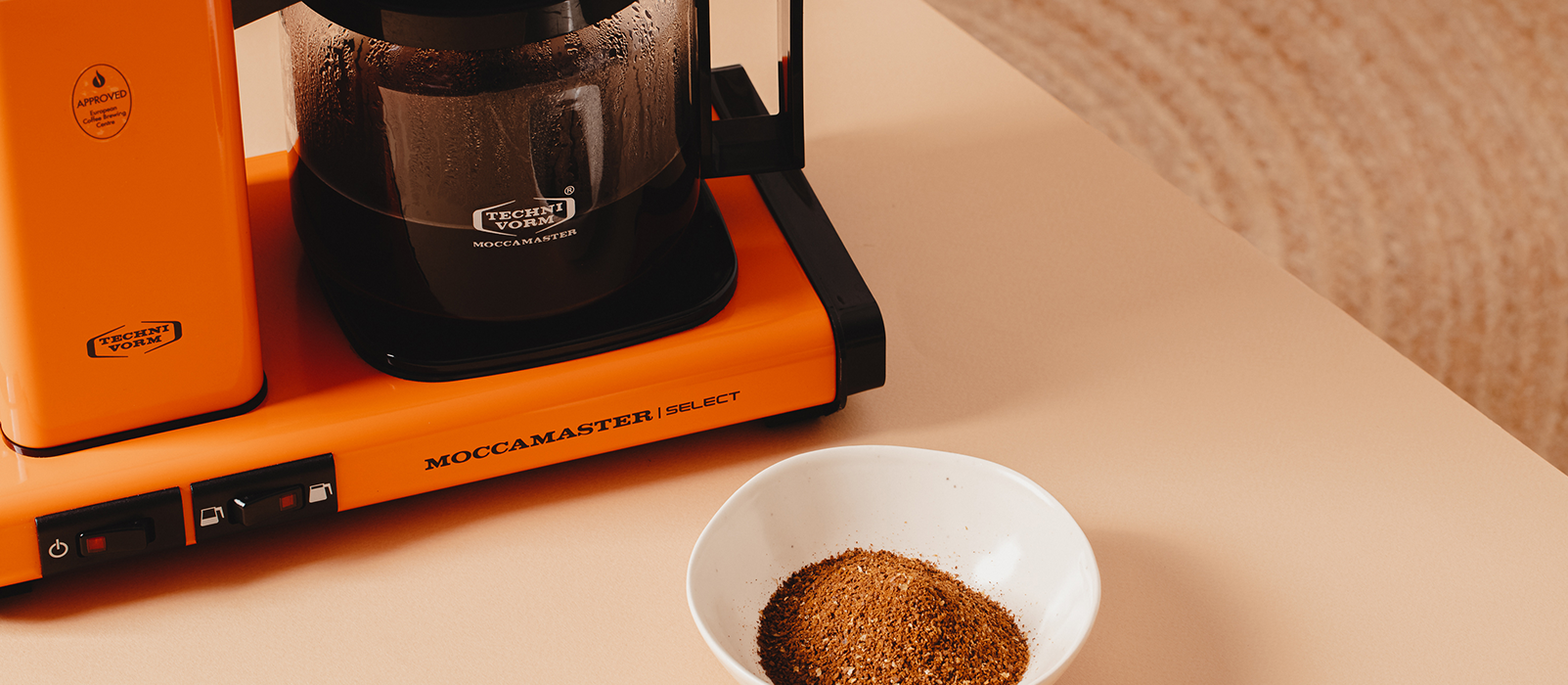
An electric coffee maker offers one of the easiest ways to enjoy great filter coffee at home.

Rinse the Filter Paper
Place the paper filter into the basket and rinse briefly with hot water to remove any paper taste and preheat the equipment.

Measure the Right Amount of Coffee
Use 7.5g to 8g of coffee per cup (approximately 75g for a 10-cup machine). Freshly ground coffee beans deliver the best flavour.

Add Fresh Water
Use filtered water whenever possible—125ml per cup or around 1.25 litres for 10 cups. This brew ratio creates a balanced cup without over- or under-extraction.

Start Brewing
Switch on your machine and allow the brewing cycle to complete naturally without opening the lid, as this can affect temperature stability.

Serve and Enjoy
Once brewing is complete, give the coffee a gentle stir before serving to ensure even flavour distribution throughout the carafe.
Many people use the terms drip coffee and filter coffee interchangeably. To answer how do you make drip coffee, simply brew hot water through coffee grounds using either an automatic drip machine or a manual pour-over setup. The slow extraction process creates a clean, aromatic cup that highlights the coffee’s origin and roast characteristics.

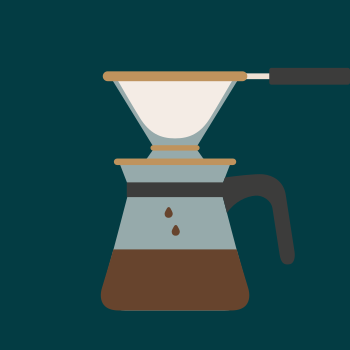
Many coffee enthusiasts consider pour-over coffee one of the best ways to experience speciality coffee. The slower extraction provides greater control over flavour, body and strength. The V60’s distinctive cone shape promotes even extraction by allowing water to flow toward the centre, keeping it in contact with the coffee grounds longer.
Ingredients


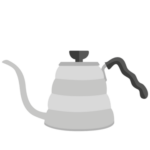
Material



Preparation

Start by inserting the paper filter and rinsing thoroughly with hot water to remove any paper taste. Discard the rinse water before brewing.
Add approximately 15g of coffee for 250ml of water, or 30g for 500ml. Freshly ground coffee grounds will always produce the best flavour.
Heat your water to between 88°C and 96°C. Water that’s too hot may create bitterness, while cooler water can result in weak extraction.
Pour 60-80g of water evenly over the coffee in circular motions. This stage, known as the bloom, allows trapped gases to escape and prepares the…
Slowly add the remaining water in controlled circular pours. Try to maintain a steady flow and avoid pouring directly onto the filter paper.
A good extraction should take between 3 and 4 minutes. If the coffee drains too quickly, your grind may be too coarse. If it takes…
Many people search for the best coffee powder for filter coffee, but the answer depends on the brewing method you’re using.
Brewing Method Recommended Grind Size Electric filter machines Medium (similar to granulated sugar) Pour-over coffee Medium-fine Chemex brewers Medium-coarse
Freshly grinding your own coffee produces more flavour than pre-ground coffee powder for filter coffee, as the aromas remain locked inside the beans until brewing. Investing in a quality coffee grinder allows you to adjust your grind precisely and dramatically improve your brewing results. If you’re making coffee with a Chemex, that slightly coarser grind accommodates the Chemex’s thicker filter paper.
The best coffee beans for filter brewing are often lighter or medium roasts that preserve the coffee’s natural flavours.
Look for:
Filter brewing particularly highlights delicate tasting notes such as citrus, berries, caramel, chocolate and stone fruits.
If you don’t have a coffee grinder, MaxiCoffee also offers ground coffee with a grind size specifically suited to different filter brewing methods, so you can choose the right coffee for your preferred method.
Shopping list


Even experienced brewers can fall into common traps. Here are the key mistakes to watch out for:
South Indian filter coffee is brewed using a traditional two-chambered metal filter that produces a strong coffee concentrate called a decoction. To prepare, add finely ground coffee to the upper chamber, pour hot water over the grounds and allow the decoction to slowly drip through over approximately ten minutes. Once the decoction is ready, mix it with hot boiled milk and sugar to taste, creating the iconic rich and frothy beverage known as filter kaapi. The ratio of decoction to milk can be adjusted based on personal preference.
You don’t need an electric machine to enjoy excellent filter coffee. Manual methods such as a pour-over dripper, a Chemex or even a French press all produce delicious results. Pour-over brewers offer precision and control over extraction, while a French press uses immersion brewing to create a fuller-bodied cup. Each method requires only hot water, freshly ground coffee and a few minutes of attention. These simple techniques allow you to brew café-quality coffee anywhere without relying on electricity or expensive equipment.
Filter coffee can be enjoyed with a splash of milk added directly to your brewed coffee after extraction. Alternatively, you can prepare it in the South Indian style, where a strong coffee decoction is mixed with hot boiled milk and sugar to create a creamy, comforting drink. Adding milk softens the coffee’s acidity and creates a smoother mouthfeel. For best results, use fresh whole milk and heat it gently before mixing to preserve the coffee’s delicate flavours and aromas.
Using a coffee filter is straightforward. Place the filter paper into your brewer, rinse it with hot water to remove any papery taste and preheat the equipment. Add your freshly ground coffee, then slowly pour hot water over the grounds in a controlled manner. The filter traps the coffee grounds while allowing the brewed liquid to pass through, resulting in a clean and aromatic cup.
To make the perfect cup of coffee with a pour-over cafetière or dripper, think about buying a set of scales and a timer. For any form of slow coffee, it’s always crucial to get the right ratios between water volume, amount of coffee and infusion time. If you leave your coffee to infuse for over 4 minutes, your coffee will be too bitter: if your coffee takes too long to drip, try using a coarser grind. On the other hand, if your coffee is ready in under 3 minutes, it will not have had the time to properly infuse and may taste too weak. If that’s the case for you, think about grinding your coffee more finely! Over to you!
Discover all of our articles