






Espresso, flat white, latte macchiato… Do you have trouble understanding the different types of coffee? We’ll explain it all! Recipes…



Written by Chloé
Reading time 10 minEvery cup of coffee leaves behind spent grounds — and most of them end up in the bin as organic kitchen waste. In the UK alone, we discard thousands of tonnes of used coffee grounds every year, despite the fact that they’re packed with nitrogen, phosphorus, and magnesium, and have dozens of practical uses around the home and garden. At MaxiCoffee, we know coffee inside out. So if you’re wondering what to do with coffee grounds, this guide covers it all — from boosting your compost and feeding acid-loving plants, to making a natural body scrub and eliminating fridge odours.
Coffee grounds are the solid, granular residue left behind after brewing coffee at home. If you use a coffee machine, spent coffee grounds get compacted into cakes. Looking for an easy, consistent way to brew at home? Our Kottea Oslo review is a good place to start.
Thanks to their caffeine and phenolic compounds, coffee grounds have antioxidant, anti-inflammatory, and antiviral properties that make them genuinely useful for skin and hair, with caffeine boosting blood flow for a firmer, more radiant appearance. Environmentally, recycling spent coffee grounds reduces waste and limits chemical use around the home.
 Coffee grounds as a compost activator
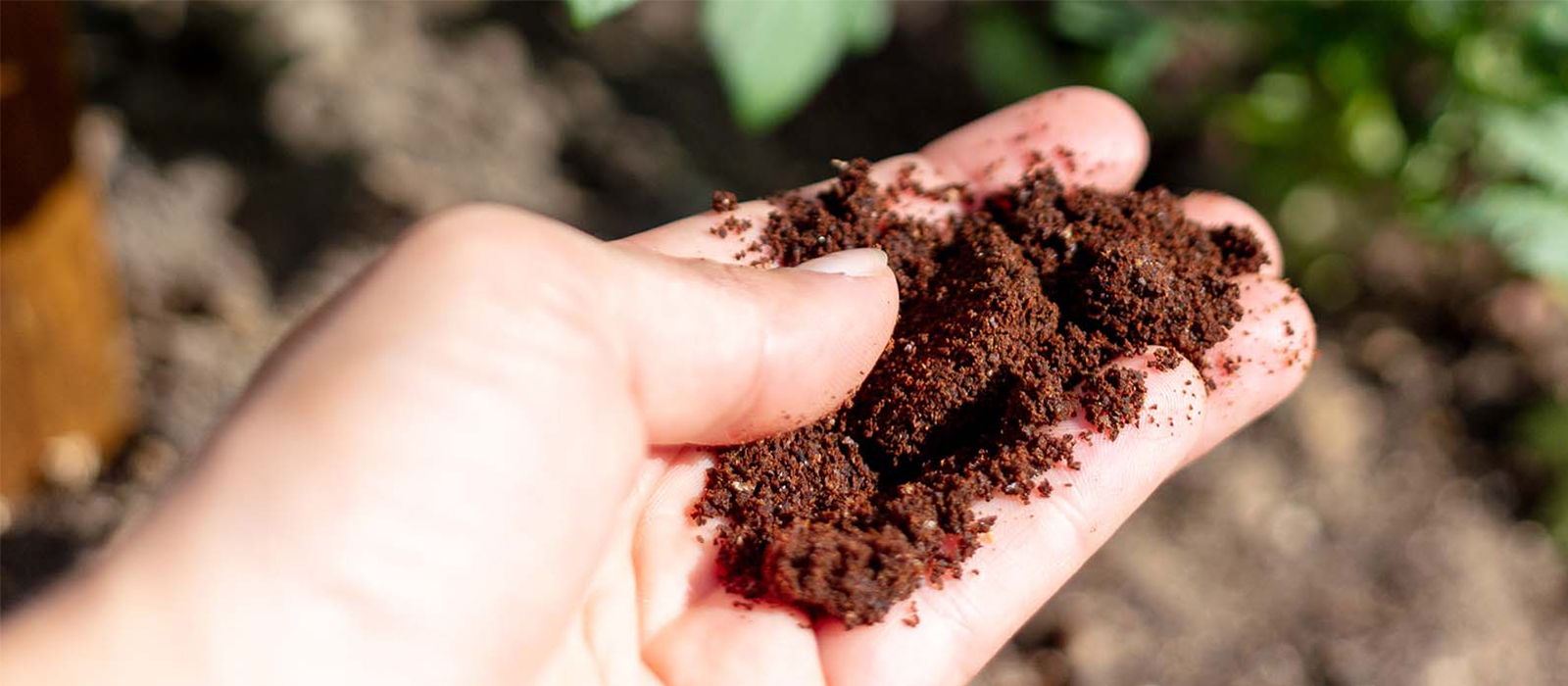
Many of you compost coffee leftovers after grinding them with your peelings. But did you know coffee grounds also make an excellent compost activator? Earthworms are particularly fond of them.
Sensitive to caffeine, earthworms become more active in transforming organic matter into rich compost, whether you’re tending a full compost pile or a small worm bin. Add your coffee grounds to the mix; they act as a soil improver when combined with other organic material, helping aerate heavy soils and improve drainage. That said, grounds alone aren’t a balanced fertiliser: treat them as a nitrogen-rich supplement, not a standalone feed.
Getting the compost balance right: Coffee grounds are a nitrogen-rich “green” material, so they shouldn’t go into your compost bin on their own. Balance every load of grounds with roughly three parts carbon-rich “brown” material, such as dried leaves, straw or shredded cardboard, and paper filters if you use a filter machine. This balance is what turns kitchen waste into a genuine soil improver rather than a soggy, smelly heap. As a general process, mix fresh coffee grounds through the pile rather than dumping them in a single wet layer, which slows decomposition.

Used coffee grounds make a great garden fertiliser for acid-loving plants. They contain around 1–2% nitrogen by weight, plus phosphorus, potassium, and trace minerals like magnesium and calcium, acting as a genuine slow-release plant food.
One note on acidity: after brewing, used grounds sit at a nearly neutral pH of 6.5–6.8. They won’t dramatically acidify your soil, but their nutrients still benefit acid-loving plants when applied correctly.
Application tips:
Coffee grounds double as a natural pest deterrent against slugs, snails, caterpillars, ants, mosquitoes and fleas. Scatter a light layer across your lawn to feed the grass while discouraging pests, and work some into rose beds for an extra nutrient boost.
To repel mosquitoes, burn a cup of dried grounds in a container; the smoke smell drives them away.
Safety note Maxicoffee
Coffee grounds contain caffeine, which can be toxic to dogs if ingested — even in small amounts. If you have pets, use grounds only in a covered compost bin or dig them well into the soil where animals cannot reach. Also avoid applying around seedlings and young plants, as caffeine can inhibit germination and stunt early growth.

Coffee grounds offer a natural, chemical-free alternative to commercial beauty products, with benefits for both skin and hair.

The coarse texture of coffee grounds makes them an excellent natural exfoliant for your face and body. Thanks to the caffeine they contain, they cleanse deep down, sloughing off dead skin and leaving a rejuvenating effect. The gentle scrubbing action also helps reduce the appearance of cellulite by stimulating blood circulation.
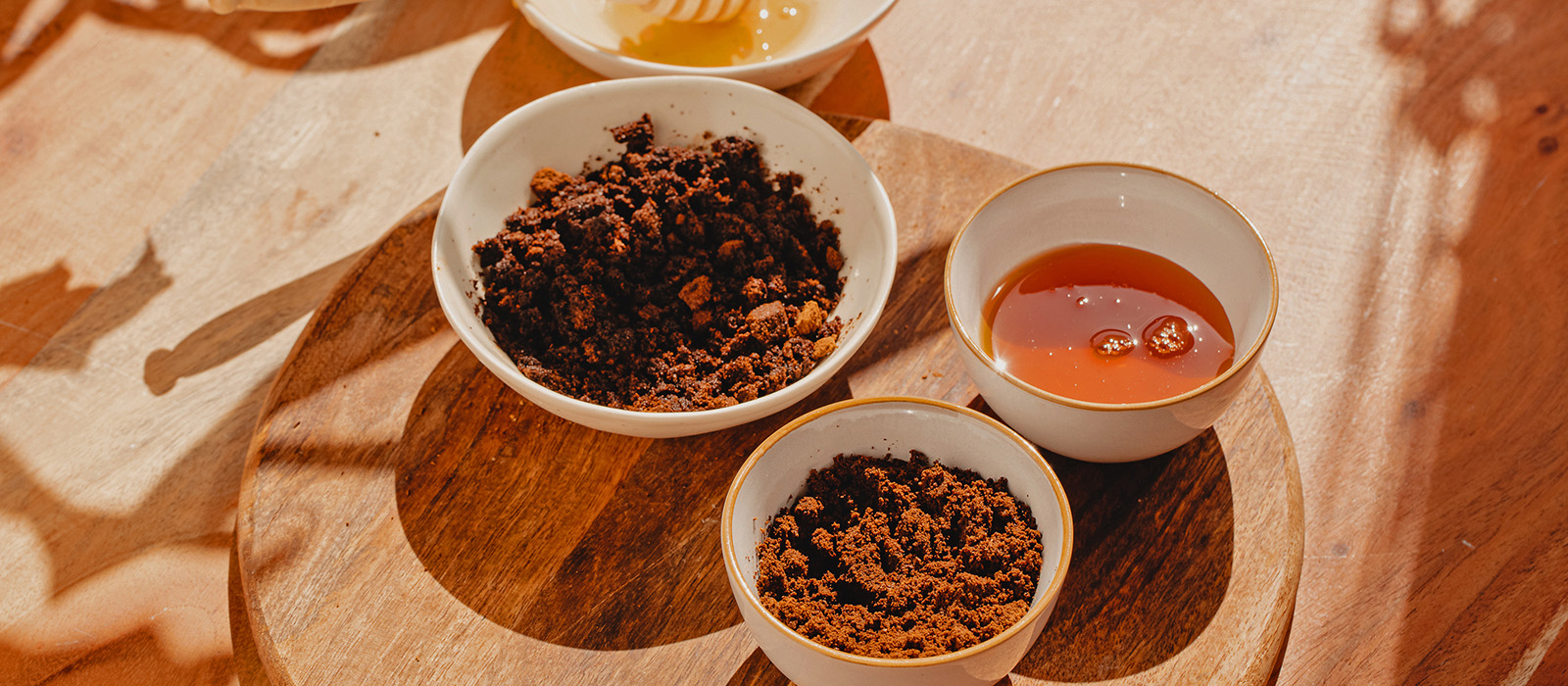
Mix your used grounds with a carrier oil like olive oil or coconut oil, or try honey for added moisture (a few drops of an essential oil, such as lavender, add a pleasant scent). Massage the mixture onto damp skin in circular motions, then rinse thoroughly. Pores are unclogged and skin feels tighter almost instantly. This simple exfoliating scrub earns a permanent spot in your skincare routine, replacing several store-bought products while cutting the risk of allergic reactions to chemical ingredients.
Coffee grounds promote hair growth and soothe itchy scalps while caring for oily hair. Simply apply as a conditioner to wet hair, massage into your scalp, and rinse. The grounds exfoliate the scalp and stimulate blood circulation, boosting growth.
Their rich brown colour hints at their dyeing power. Used on brown and dark hair, coffee grounds revive colour, restore shine, and naturally camouflage grey hair, slowing its appearance over time.
It’s hard to believe, but it’s true: coffee grounds make a surprisingly effective cleaning product, as our team discovered.
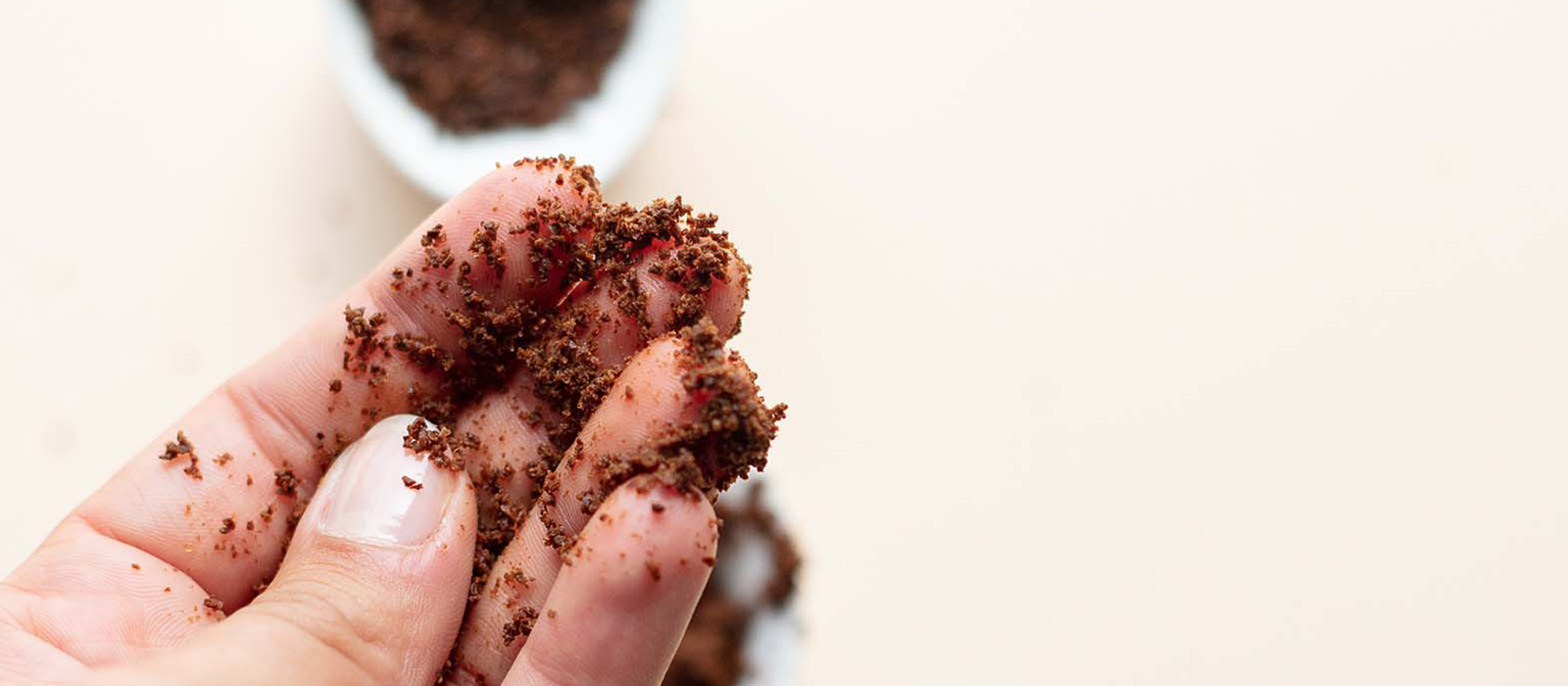
Coffee grounds work as a natural odour neutralizer, lifting stubborn garlic, onion, or fish smells from hands or fridges. Fill a small bowl with used grounds to absorb odours without leaving a coffee scent, and refresh every two weeks.
Leftover coffee also helps prevent clogs and odours, saving you from pricey drain cleaners. Tip a tablespoon of grounds into your sink, run hot water for two minutes, and repeat weekly to keep grease at bay.
Wet coffee grounds buff out fine scratches on wooden furniture: mix in a pinch of salt for extra grit, then rub gently with a cloth. They also work as an abrasive cleaner for greasy stovetops.
Coffee grounds also double as a natural fabric dye: soak clothing in a mixture of grounds and water, then let it dry for a unique, earthy tone. If the cups of coffee you brew daily leave plenty of grounds to spare, it’s worth putting them all to good use rather than sending them to landfill.

Used coffee grounds are a genuine growing medium for gourmet mushrooms, such as oyster mushrooms. Because they’ve already been through the brewing process, coffee grounds are naturally sterilised, which saves you the usual step of pasteurising straw or sawdust.
It’s a fun, low-cost way to give your grounds a genuine second life instead of the bin — and a great beginner project if you’re curious about home mushroom growing.
Used coffee grounds aren’t just for the garden and the bathroom — they also work in the kitchen. Combined with salt, the natural acids and enzymes in coffee help tenderise red meat such as steak or brisket, while adding a rich, earthy crust when the meat is seared.

Simple dry rub recipe:
Rub the mixture generously over the meat before cooking, and leave to rest for a few hours between applications and cooking for the best flavour.

Don’t drink enough coffee to fill your compost bin? You don’t need your own machine to enjoy the benefits. Many coffee shops and cafés set aside used grounds for customers to take home for free — it’s always worth asking at the counter. Friends, family or neighbours who brew daily (including with instant coffee, though this leaves far less residue) are another easy source. A quick weekly collection is often enough to keep a small compost bin or a few garden beds topped up.
Some plants dislike the acidity in coffee grounds, including lavender, geraniums, asparagus ferns and rosemary, which prefer neutral to alkaline soil. Gardeners should test soil pH before adding grounds near seedlings or delicate containers.
Spread used grounds thinly on a tray and let them air-dry, then store in an airtight jar or plastic tub. Stored this way, they’ll stay usable for several weeks without developing mould.
Used coffee grounds naturally deter garden pests: cats avoid sprinkled areas, slugs and snails dislike the gritty texture and caffeine, and the scent repels ants. It’s a handy, chemical-free first line of defence.

Yes, sprinkling a light layer around plants works, though mixing grounds into soil gives better results and avoids a water-repelling crust. Use a thin layer and refresh it monthly.
The best way to dispose of coffee grounds is to reuse them: dry and store them, add them to your compost heap or wormery, or dig them into garden soil. Avoid pouring large amounts down the drain, as this can contribute to clogs over time.
Yes, in moderation — they enrich compost and soil with nitrogen, phosphorus and potassium, but they’re not a standalone fertiliser and should be mixed in rather than piled on the surface.
Dry them fully and store them in an airtight container; they’ll keep for several weeks and can then be used in compost, the garden, or as a household deodoriser.
 How to reuse coffee grounds for skin?
Mix used, cooled grounds with a carrier oil or honey to make a gentle exfoliating scrub — massage onto damp skin, then rinse thoroughly.
You can steep coarse grounds in hot water for a few minutes then strain (a simple “cowboy coffee” method), or use a French press if you have one — no electric machine required.
No — despite popular garden advice, tomato plants don’t like coffee grounds. Residual caffeine can inhibit their growth and germination, so it’s best kept out of tomato beds and seed trays entirely.
From compost and acid-loving plants to body scrubs, dry rubs and homegrown mushrooms, your spent coffee grounds have far more to offer than a trip to the bin. Start small — a bowl in the fridge, a sprinkle in the compost heap — and you’ll quickly find the uses that fit your own kitchen and garden. At MaxiCoffee, we like to think good coffee deserves a good second life too.
Discover all of our articles
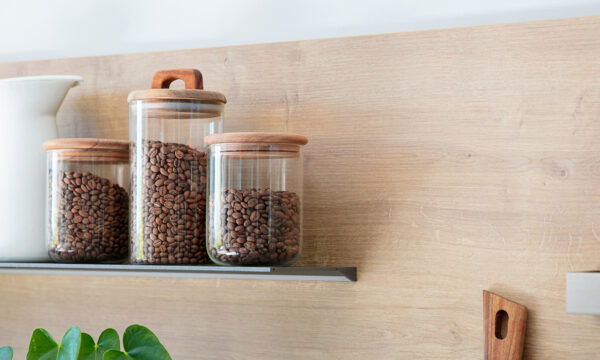
Coffee storage, what is the best way to store coffee beans or ground coffee?
Our website has had a complete makeover, with a new design and improved features to make your-day-to-day browsing experience easier and more enjoyable.
To continue enjoying the MaxiCoffee experience, you’ll just need to reset your password.