


Finding the best coffee beans can feel overwhelming. With so many origins, roast profiles, flavour notes, and blends available, choosing…



Written by Alice
Making great coffee at home relies on five essentials: fresh beans, the correct grind, a consistent ratio, clean water, and controlled brewing. You don’t need expensive equipment; as experts like James Hoffmann note, technique and freshness are paramount. Whether using a V60, espresso machine, or cafetière, the principles remain the same. This guide provides step-by-step instructions and troubleshooting to help you master every cup.
Great home coffee comes down to five fundamentals — regardless of your equipment or budget:
The rest of this guide covers each of these in detail, with step-by-step instructions for every major brewing method.

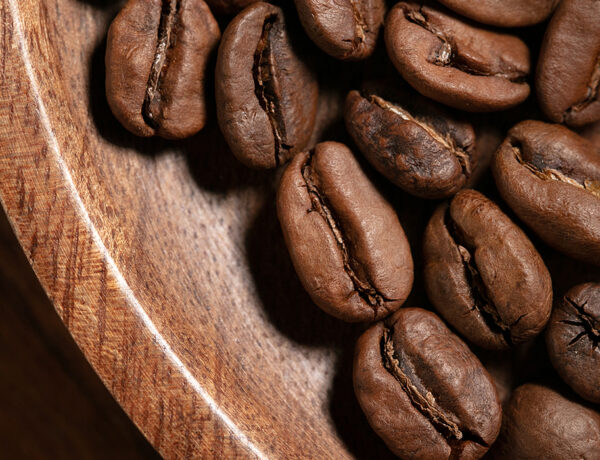
The coffee beans you select shape the entire flavour profile of your cup. Lighter roasts tend to showcase brighter, fruitier notes and work beautifully with filter brewing methods, while darker roasts deliver bolder, more robust flavours that shine in espresso drinks.
Freshly roasted coffee beans offer the richest aroma and flavour, typically performing at their best between two weeks and two months after roasting. At MaxiCoffee, we use a 10-point roast scale (1 being the lightest, 10 the darkest) to help you navigate our selection. Don’t be afraid to experiment with different origins and roast levels to discover what suits your taste and brewing method. For more guidance on technique, check out our barista tips.
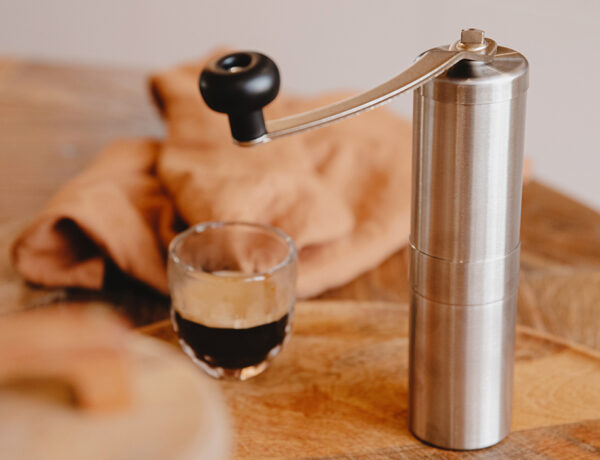
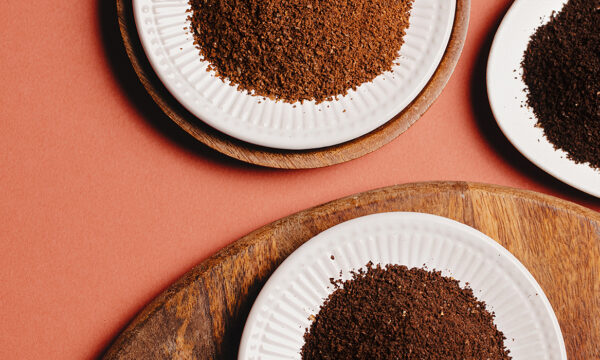
Grind size controls how quickly water extracts flavour from your coffee. Using the wrong grind size for your brewing method can lead to over-extraction (bitter, harsh flavours) or under-extraction (sour, weak coffee). We recommend investing in a quality grinder or a bean-to-cup machine with a built-in grinder, so you can adjust grind size to match your method and grind fresh just before brewing.

A good starting point for most brewing methods is:
60g coffee per litre of water (approximately 1:16).
From there, adjust to your own taste:
Using scales helps you reproduce great results every time.

Coffee is 98% water, so water quality directly affects the taste of your final cup. If your tap water has a strong chlorine smell or tastes metallic, it will carry those flavours into your coffee. We recommend using filtered or bottled water to eliminate unwanted tastes and odours. Many modern coffee machines also support filter cartridges that treat water as it enters the machine, removing impurities and reducing limescale buildup. Investing in good water is one of the simplest ways to improve your coffee without changing anything else about your brewing routine. Aim for a brewing temperature between 90°C and 96°C.

Consistency matters more than expensive equipment.
Measure your coffee, control your pouring, and keep notes on recipes you enjoy. Small adjustments to grind size or brew time often make a dramatic difference.
Your brewing method shapes the flavour profile of your final cup. Each technique extracts coffee differently, bringing out unique characteristics in the beans. Whether you prefer full-bodied richness or clean, bright notes, choosing the right method helps you brew coffee that matches your taste.
| Method | Taste | Grind | Difficulty | Best for |
|---|---|---|---|---|
| French Press | Rich & full-bodied | Coarse | Coarse | Everyday brewing |
| Pour-over (V60/Chemex) | Clean & bright | Fine-medium | Fine-medium | Highlighting origin flavours |
| AeroPress | Balanced & versatile | Medium-fine | Fine-medium | Travel and experimentation |
| Moka Pot | Strong & intense | Medium | Fine-medium | Espresso-style coffee |
| Drip Machine | Consistent & smooth | Medium-fine | Medium | Families and large batches |
| Espresso Machine | Concentrated & complex | Fine | Fine | Coffee enthusiasts |
The French press uses immersion brewing — coffee grounds steep directly in hot water before you press the plunger. The metal mesh filter lets through natural oils and fine particles, producing a full-bodied, rich cup with satisfying texture. Use coarse coffee, brew for four minutes and press slowly before serving immediately.
Best parameters
Tip: If your coffee tastes bitter, try grinding slightly coarser or reducing steep time.
Lugat Moka Sidamo Marabou (Ethiopia) – fruity and balanced for rich immersion brewing.

Cafés Lugat Ground Coffee Moka Sidamo Marabou for French Press – 250g
• Light Roast
• 100% Arabica – Moka (Ethiopia)
• Specialty coffee
• Grind for French Press
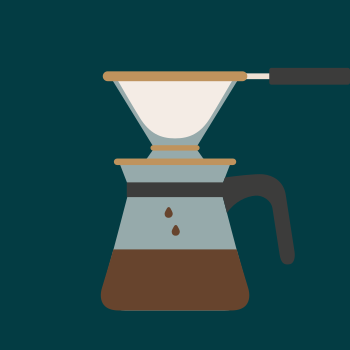
Pour-over methods like the Chemex and V60 give you precise control over every variable — water flow, temperature, and timing. Hot water is poured in a slow, circular motion over medium-fine grounds held in a paper filter, which produces a clean, nuanced cup that highlights the coffee’s natural flavours.
Best parameters
Rinse the paper filter, bloom the coffee for 30 seconds, then pour slowly in circles until reaching your target weight.
Lugat Sakura Blend – particularly suited to highlighting delicate floral and fruity notes.

Cafés Lugat Specialty Coffee Beans Sakura Blend – 250g
• Medium Roast
• 100% Arabica (Guatemala / Panama / Ethiopia)
• Hand-Roasted in France
• Notes of candied lemons and toasted almonds
The AeroPress is remarkably versatile, capable of producing everything from espresso-style shots to smooth, filter-like coffee. This compact device uses air pressure to push water through the grounds, and you can adjust grind size, water temperature, and brew time to experiment with different flavour profiles. It’s also forgiving — it’s hard to make truly bad AeroPress coffee — and cleanup takes seconds.
Best parameters
Bloom briefly, add the remaining water and press gently until you hear the final hiss.
Lugat Black Mountains – balanced and versatile across different AeroPress recipes.
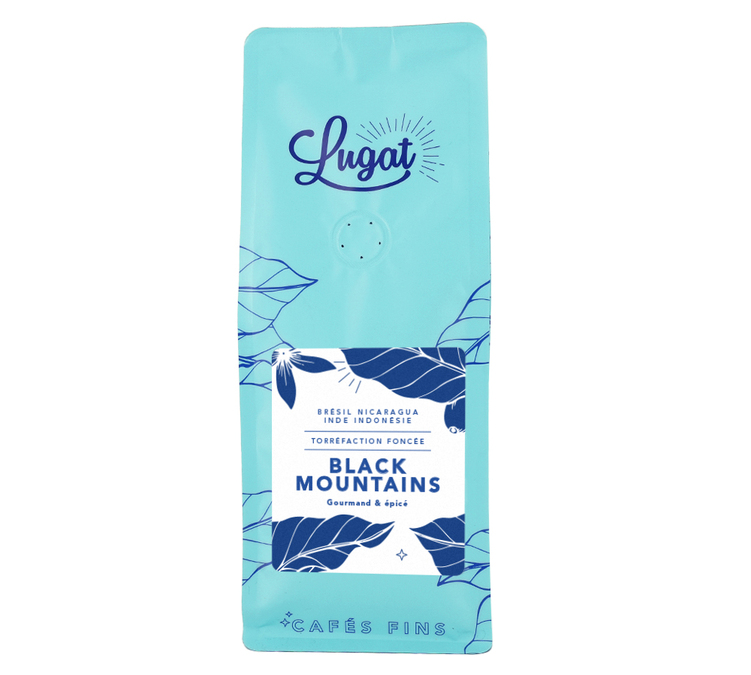
Lugat Black Mountains Specialty Coffee Beans – 230g
• Dark Roast
• Brazil / Nicaragua / India / Indonesia
• Hand-roasted in France
• 230g Coffee Beans
The moka pot brews strong, concentrated coffee on your stovetop using steam pressure. It’s an accessible way to make Italian-style coffee at home without an espresso machine, producing a bold, full-bodied cup with intense flavour.
Best parameters
Fill to the safety valve, avoid tamping the coffee and remove from the heat as soon as the brew begins to sputter.
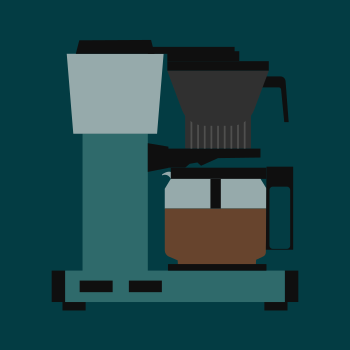
Drip machines remain popular for their convenience and consistency. Modern models with proper temperature control can produce excellent coffee, especially when you use freshly ground beans and clean your machine regularly. They’re ideal for brewing larger quantities without sacrificing quality.
Best parameters
Use filtered water and avoid leaving brewed coffee sitting on the hot plate for extended periods.
Espresso requires the greatest precision but delivers exceptional flavour.
Best parameters
Adjust one variable at a time until the shot tastes balanced.
Green Lion Coffee Spring Blend
Its chocolate, caramel and floral notes make it particularly well suited to espresso preparation.

Coffee beans – Spring Blend – Green Lion Coffee (250 g)
-100% Arabica blend
-Peru and Ethiopia
-Limited edition
Bean-to-cup machines automate grinding and brewing, bringing professional barista expertise to your kitchen with minimal effort. By grinding fresh beans seconds before extraction, these devices preserve essential oils and aromas that pre-ground coffee loses. Many modern models also include integrated milk systems for perfect lattes and cappuccinos.
These machines offer high customisation, allowing you to adjust grind fineness, strength, and temperature to find the “sweet spot” for any bean origin. Whether you prefer bright Ethiopian roasts or bold Brazilian varieties, they provide the consistency needed for daily café-quality results. They are particularly effective for busy households or home offices where speed and quality are equally valued.
Perléo Prestigio
Its dark roast and cocoa notes make it an excellent choice for automatic espresso machines.

Perléo Coffee Beans Prestigio – 230g
• 100% Arabica
• Intense Espresso
• Italian-Style Dark Roast
• 230g Coffee Beans
No coffee maker? No problem. You can still make a decent cup using the cowboy coffee method. Boil the kettle and add water to a saucepan or pot. Once boiling, remove from heat and add 2 tablespoons of coarse ground coffee per cup. Let it steep for 3-4 minutes—this allows the grounds to extract flavour without over-brewing. Give the pot a gentle tap to help the grounds settle, then carefully pour the coffee through a fine-mesh strainer or even a clean tea towel into your cup. This improvised method won’t give you the precision of a proper brewer, but it’s surprisingly effective when you’re camping or dealing with broken equipment.
| If your coffee tastes… | The likely cause | Try this |
|---|---|---|
| Bitter | Over-extraction | Grind coarser or shorten brew time |
| Sour | Under-extraction | Grind finer or brew longer |
| Weak | Too little coffee | Increase your dose |
| Muddy | Too many fines | Use a coarser grind |
| Flat | Stale beans | Buy fresher coffee |
Each time coffee is extracted, oils or grounds will be deposited in your machine. Over time, these oils become rancid, limescale builds up in the internal processes, and the grounds can become mouldy. So it’s important to clean your equipment weekly and descale regularly to keep your device running smoothly.
A well-maintained machine doesn’t just last longer—it brews better quality coffee. Limescale affects water temperature and flow, while old coffee residue adds bitter, off-putting flavours to your fresh brew. Think of cleaning as part of the coffee-making ritual itself, not a chore to put off. Most bean-to-cup machines have automatic cleaning cycles, but manual espresso machines need a bit more hands-on care. Use proper descaling solution rather than vinegar, which can damage internal components and leave lingering smells.
The coffee world agrees: freshness is key to a great final cup. Once you’ve got quality coffee beans, proper storage makes all the difference. Keep your beans in an airtight container, away from light, heat, and moisture. A cool, dark cupboard works perfectly—no need for the fridge or freezer, which can introduce condensation. Use your beans within a few weeks of roasting for peak flavour. Ground coffee oxidises even faster, which is why we recommend grinding just before brewing. If you must buy pre-ground, use it within a week and store it the same way: sealed tight, away from heat and light.
Improve instant coffee by using freshly boiled water cooled for 30 seconds to avoid scorching the granules. Select quality freeze-dried arabica brands over spray-dried robusta. Adding a tiny pinch of salt can neutralise bitterness and round out the flavour. For a richer result, dissolve the coffee in less water and top up with hot milk.
To get great results from your espresso machine, focus on three essentials: fresh beans, the correct grind, and regular maintenance. Use beans roasted within the last month and match the grind to your device—fine for espresso and medium for drip machines. Weekly cleaning is vital to prevent old oils from turning rancid and ruining the flavour. If your coffee tastes bitter, try a coarser grind or cooler water; if it is sour, do the opposite. Experiment with these variables to find your perfect sweet spot.
Quality beans depend on origin, processing, and freshness. Single-origin varieties, such as Brazilian coffee, offer distinct chocolate and nutty notes with low acidity. Always check the roast date; beans peak between two weeks and two months after roasting. The processing—whether washed for clean, bright notes or natural for fruity sweetness—dramatically impacts the profile. To fully appreciate these characteristics, use a Hario V60 or pour-over method, as this clean extraction highlights subtle flavours that espresso might mask.
For single-serving brewing, the Aeropress or a single-cup pour-over offer the best control without waste. Coffee experts recommend a 1:15 ratio—roughly 15g of coffee for a 225ml mug. The AeroPress is remarkably forgiving and easy to clean, while a simple ceramic dripper is a budget-friendly alternative for excellent results. Both methods allow you to easily adjust strength by increasing the coffee dose or extending brew time for fuller extraction.
For household convenience, a bean-to-cup machine is the easiest way to get consistently good coffee at the touch of a button. Alternatively, a drip coffee maker with a timer provides fresh coffee with zero morning effort. For a low-cost, simple method, the French press requires no filters or complex techniques—just add coarse grounds, water, and wait four minutes. Regardless of your chosen device, using fresh coffee beans and grinding them yourself remains the most effective way to improve your home coffee.
Great black coffee starts with light to medium roasts, offering complexity and sweetness that dark roasts lack. Use a burr grinder to ensure even extraction, as blade grinders create uneven particles. For stronger coffee without bitterness, increase your coffee-to-water ratio rather than extending brew time, which can cause astringency. Aim for a total brew time of three to four minutes for filter coffee to avoid pulling bitter flavours. Since black coffee has no milk or sugar to hide imperfections, using fresh, properly stored beans is essential for the best flavours to shine through.
Making good coffee isn’t about owning the most expensive equipment—it’s about mastering a few essential principles. Start with fresh beans, grind correctly, use quality water, measure accurately and brew consistently. Once those fundamentals are in place, almost any brewing method can produce café-quality coffee at home.
Discover our other articles