
Latte macchiato, cappuccino, cappuccino, latte macchiato: it can be tricky to tell the difference. In this primer, we’ll explain the…



Written by Chloé
Reading time 14 minEspresso and regular coffee are made from the same beans: they differ in grind, brewing method, strength and flavour. Espresso is a coffee brewing method: hot water is forced through very finely ground coffee at high pressure (around 9 bar) in about 25 to 30 seconds, giving a small, concentrated shot topped with golden crema. Regular brewed coffee, made with a drip coffee maker, a filter or a cafetiere, uses a coarser grind and far more water, which gives a larger, lighter cup.
In short, espresso vs coffee
Before going into the details, here is a quick comparison of the main points. The figures are typical averages: they vary with the coffee beans, the roast level, the dose and the machine.
| Criteria | Espresso | Brewed coffee (drip, filter, cafetiere) |
|---|---|---|
| Brewing method | Hot water forced through the coffee at high pressure (about 9 bar) | Gravity (drip, filter) or immersion (cafetiere) |
| Grind size | Very fine | Medium to coarse |
| Typical serving size | 30 ml (1 oz) per single shot | 240 ml (8 oz) or more per cup |
| Crema | Yes, a golden layer of crema on top | No |
| Brew time | About 25 to 30 seconds | Usually 3 to 5 minutes or more, depending on the method |
| Taste and body | Bold, intense, syrupy | Lighter, smoother, easier to sip |
| Caffeine per ounce | Higher | Lower |
| Caffeine per typical serving | About 60 to 75 mg per shot | About 95 to 120 mg per 240 ml cup |
Yes and no. Coffee and espresso start from the same raw material: the seeds of the coffee plant, which are roasted and ground. There is no separate espresso plant. Espresso is simply one way of turning ground coffee into a drink, alongside pour-over, drip, cafetiere or moka pot.
In everyday language, however, people use “coffee” for a long drink made with a filter or a drip coffee maker, and “espresso” for the small, strong shot made on an espresso machine. That is why the two feel so different in the cup, even though they share the same origin.
Espresso is a concentrated coffee beverage born in Italy. It is brewed by pushing hot water through a compact puck of finely ground coffee. The result is a small concentrated shot with a thick body, an intense flavor and a distinctive layer of crema on top.
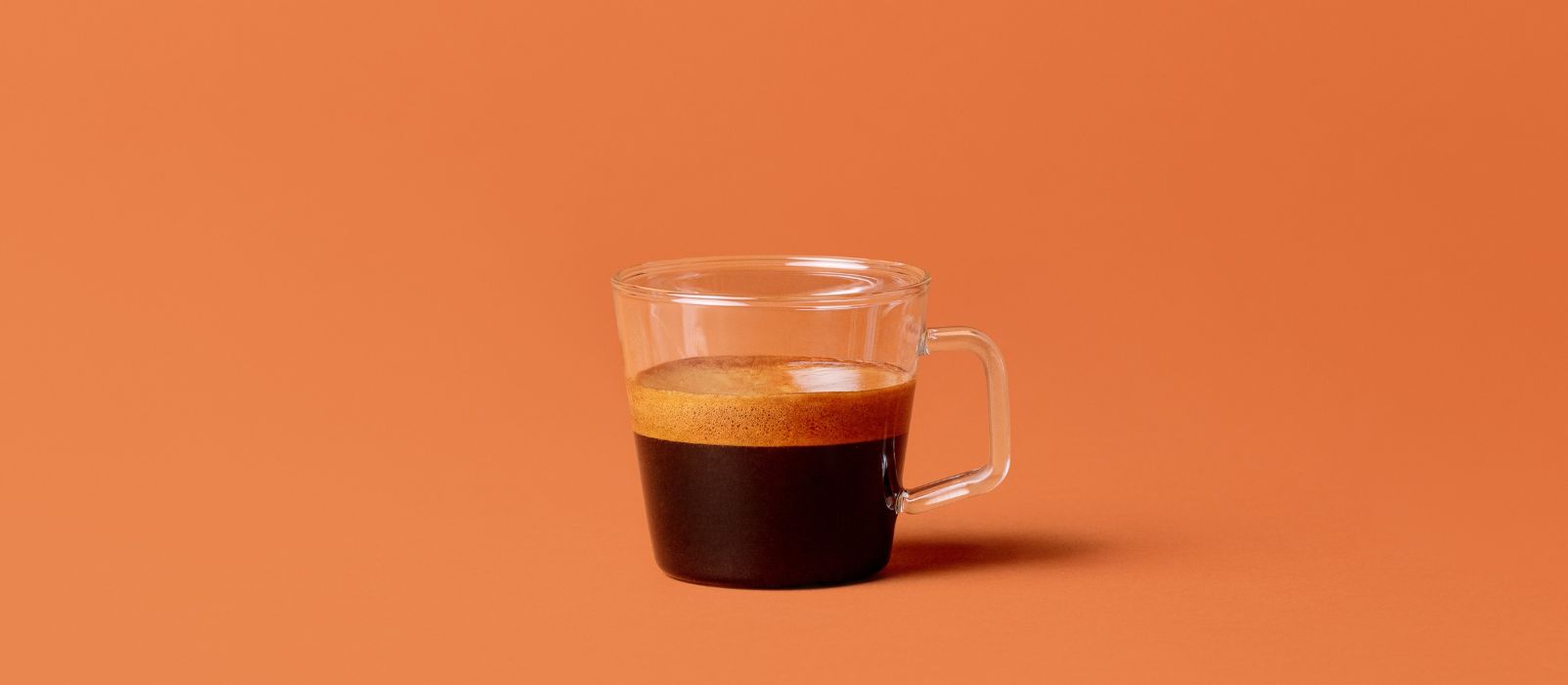
Crema is the tan foam that sits on the surface of the shot. It is a by-product of brewing coffee at high pressure, and it is one of the visual signatures of a well-pulled espresso. Espresso can be enjoyed on its own, or used as the base of milk drinks such as a latte, a cappuccino or a flat white.
The espresso process relies on four elements: finely ground coffee, hot water, pressure and time. The ground coffee is dosed into a portafilter, tamped into a compact puck, then locked into the machine. The pump then pushes hot water (typically between 90 and 96°C, or 195 to 205°F) through the puck at about 9 bar, and the shot is ready in roughly 25 to 30 seconds.
Espresso also uses much less water than a regular cup. A common ratio is around 1 part of coffee to 2 parts of liquid in the cup, which is one reason why the flavour is so concentrated.
Espresso machines exist in several formats, and each one offers a different level of control:
Because the pressure, the temperature and the timing need to stay consistent, an espresso machine is the most reliable way to prepare a real espresso at home. If you are choosing your first coffee, our guide on which type of coffee to use with an espresso machine will help you get started.
When most people say “coffee”, they mean a larger cup made by pouring hot water over medium to coarse ground coffee and letting it brew by gravity or immersion. The coffee-to-water ratio is much more generous in water than for espresso, roughly 1 part of coffee to 18 parts of water in many recipes, which explains why the drink is lighter and less concentrated.
A standard cup of coffee is usually served at around 240 ml (8 oz), although the mugs served in coffee shops are often larger. Within this category, several brewing methods give different results.

Filter coffee, including manual pour-over, works on the same principle but gives you control over how you pour the water. The paper filter keeps oils and fine particles out of the cup, so the taste is clear and bright, which lets the delicate flavours of the coffee beans come through.

A drip coffee maker heats water and sprinkles it over a bed of ground coffee held in a paper or permanent filter. The coffee drips into a jug below. It is practical for brewing several cups at once, and the result is a clean, balanced cup. Brewed drip coffee usually takes a few minutes, far longer than a shot of espresso.
The cafetiere (or French press) steeps coarsely ground coffee in hot water for around four minutes, then separates the grounds with a metal mesh. It gives a fuller-bodied cup with more natural oils. The moka pot sits in between: it uses steam pressure on the stove to produce a strong, espresso-style coffee, but at a much lower pressure than a real espresso machine. Our guide on how to use a moka pot explains it step by step.
Cold brew is made by steeping ground coffee in cold water for a long time, which gives a smooth, mellow drink that is served cold. Iced coffee is more general: it is usually brewed coffee that has been chilled and poured over ice. Both belong to the brewed coffee family rather than the espresso family.

Instant coffee, sold as instant powder or granules, is made from brewed coffee that has been dried. You simply dissolve it in hot water. It is the fastest way to get a cup of coffee, but it is a different product from freshly ground coffee brewed with a machine or a filter.

A coffee pod is a pre-dosed portion of ground coffee designed for a specific machine. Depending on the pod and the machine, it can produce an espresso-style shot or a longer cup. It is a convenient route to espresso-style coffee when you want consistency without grinding or tamping.
The difference between espresso and regular coffee comes down to five things: the grind, the pressure, the time, the amount of water and the resulting strength. Each one changes what ends up in your cup.
Espresso needs very finely ground coffee. The smaller particles expose more surface to the water, which allows a fast extraction in less than 30 seconds. Brewed coffee needs a coarser grind, because the water stays in contact with the ground coffee for much longer. If a coarse grind is used for espresso, the shot will taste weak and sour. If a fine grind is used in a cafetiere, the coffee turns muddy and bitter.
Pro tip: always match the grind to the brewing method. For the best results, grind your coffee beans just before brewing, and if you buy pre-ground coffee, choose one that is labelled for your machine. Our guide to the best ground coffee for espresso machines is a good place to start.
The brewing method is the biggest difference between espresso and brewed coffee. Espresso machines force hot water through compact ground coffee at around 9 bar. Drip, filter and cafetiere coffee rely on gravity or immersion, with no pressure at all. This is also why a standard drip coffee maker cannot produce a real espresso, even if you use less water and more coffee: the pressure is simply not there.
A single espresso takes about 25 to 30 seconds and is served in a small cup of 30 ml (1 oz) to 60 ml (2 oz). Regular coffee takes several minutes and is served in a standard mug of 240 ml (8 oz) or more. The serving size has a direct effect on how you drink them: espresso is sipped quickly, while a mug of coffee is enjoyed slowly.
Espresso is more concentrated, which is why it feels stronger. But concentration is not the same as the total amount of caffeine you drink. We look at this in detail in the caffeine section below.
There is no real difference between espresso beans and coffee beans. “Espresso beans” is a marketing label, not a separate species: it usually describes coffee beans that have been roasted and blended to taste good as espresso. Any coffee bean from any origin and at any roast level can technically be used to make espresso.
In practice, many people prefer medium to dark roasts for espresso because they give a bold, rounded cup that holds up well with milk. Lighter roasts can work too, but they taste brighter and more acidic. The same beans can also be used in a filter or a cafetiere, as long as you adapt the grind. The roast level is therefore a question of taste, not a rule. For more detail, see our article on espresso machine coffee types.
| Factor | Beans labelled “espresso” | Other coffee beans |
|---|---|---|
| Roast level | Usually medium-dark to dark | Light, medium or dark |
| Flavour profile | Bold, lower acidity, chocolatey, caramel, nutty | Depends on roast and origin: fruity, floral, earthy or bright |
| Intended brew method | Roasted and blended with espresso extraction in mind | Flexible: drip, cafetiere, pour-over, cold brew |
| Grind size | Very fine | Medium to coarse, depending on the method |
| Use in milk drinks | Designed to hold up in lattes and cappuccinos | Some lighter beans can taste too acidic with milk |
This is where most of the confusion comes from. Ounce for ounce, espresso contains much more caffeine than brewed coffee. But because a shot is so small, a full cup of coffee usually delivers more milligrams of caffeine in total.
As a reference, USDA data quoted by KitchenAid gives about 63 mg of caffeine in 1 oz (30 ml) of espresso, against about 12 mg in 1 oz of brewed coffee. Averages published for a typical 240 ml cup of coffee range from roughly 92 to 120 milligrams of caffeine. Real values vary with the coffee beans, the dose, the roast and the brewing method.
| Espresso | Typical serving | Approximate caffeine |
|---|---|---|
| Single espresso | 30 ml (1 oz) | About 60 to 75 mg |
| Double espresso | 60 ml (2 oz) | About 120 to 150 mg |
| Cup of coffee (drip or filter) | 240 ml (8 oz) | About 95 to 120 mg |
A single shot of espresso contains about 60 to 75 milligrams of caffeine. That caffeine shot is delivered in a tiny volume, which is why espresso feels so powerful and wakes you up quickly.
A double espresso is made with two shots, so the double caffeine content is roughly double too: around 120 to 150 milligrams of caffeine. Many coffee shop drinks, such as a large latte or cappuccino, are built on a double shot, so you may be drinking more caffeine than you think.
Most sources place a standard espresso at 60 to 75 milligrams of caffeine per shot, with 63 mg as a commonly quoted average. The exact figure depends on the coffee, the dose in the portafilter and the extraction. If you drink several shots, count them: the commonly cited upper limit of 400 mg of caffeine a day for healthy adults corresponds to around six shots of espresso per day.
No. One shot of espresso is not equal to one cup of coffee. A shot is about 30 ml and holds around 60 to 75 milligrams of caffeine, whereas a standard cup of coffee is about 240 ml and holds roughly 95 to 120 milligrams. In other words, one cup of coffee usually has more caffeine than one single shot, but about the same as a double espresso.
It depends on what you mean by strength. In terms of concentration and intensity of flavour, espresso is one of the strongest ways to drink coffee. In terms of total caffeine, a large mug of brewed coffee can easily contain more than a single shot of espresso. A moka pot also produces a strong, concentrated brew, though at lower pressure than an espresso machine.
Espresso tastes bold and intense. The high-pressure extraction gives a thick, syrupy body and an intense flavor, often with a slightly bitter taste that is balanced by sweetness and the aromas of the crema. Many people describe the aftertaste as long and lingering.
Brewed coffee is lighter and smoother. Because there is more water and a longer contact time at lower pressure, the cup is easier to sip slowly and lets more delicate fruity or floral notes come through, especially with filter methods. A cafetiere sits in between, with a rounder, oilier body.
If you find espresso too bitter, a lighter roast, a slightly coarser grind or a shorter shot can help. If you find filter coffee too weak, try using more coffee for the same amount of water.
Neither is better in absolute terms: it depends on your taste, your routine and how you react to caffeine. Both can fit into a balanced diet when you drink them in moderation.
Both drinks contain natural plant compounds such as chlorogenic acid, and moderate coffee consumption has been associated with several health benefits in the research. Lighter roasts tend to keep more chlorogenic acid than very dark ones, so a medium-roast filter coffee can have a slight edge over a dark-roast espresso, according to the sources we reviewed. The differences are small, though.
What matters most is how you drink your coffee. Added sugar, syrups and a lot of cream can change the picture more than the brewing method does. Caffeine also affects everyone differently: it can disturb sleep if you drink it late in the day, and some people feel jittery on an empty stomach. If you are pregnant, or if you have a heart condition or any health concern, ask a health professional how much caffeine is right for you.
For healthy adults, the commonly cited limit is 400 mg of caffeine a day from all sources. That is around six shots of espresso per day, or four cups of brewed coffee. Remember that tea, energy drinks and chocolate also contain caffeine, so count everything you consume.
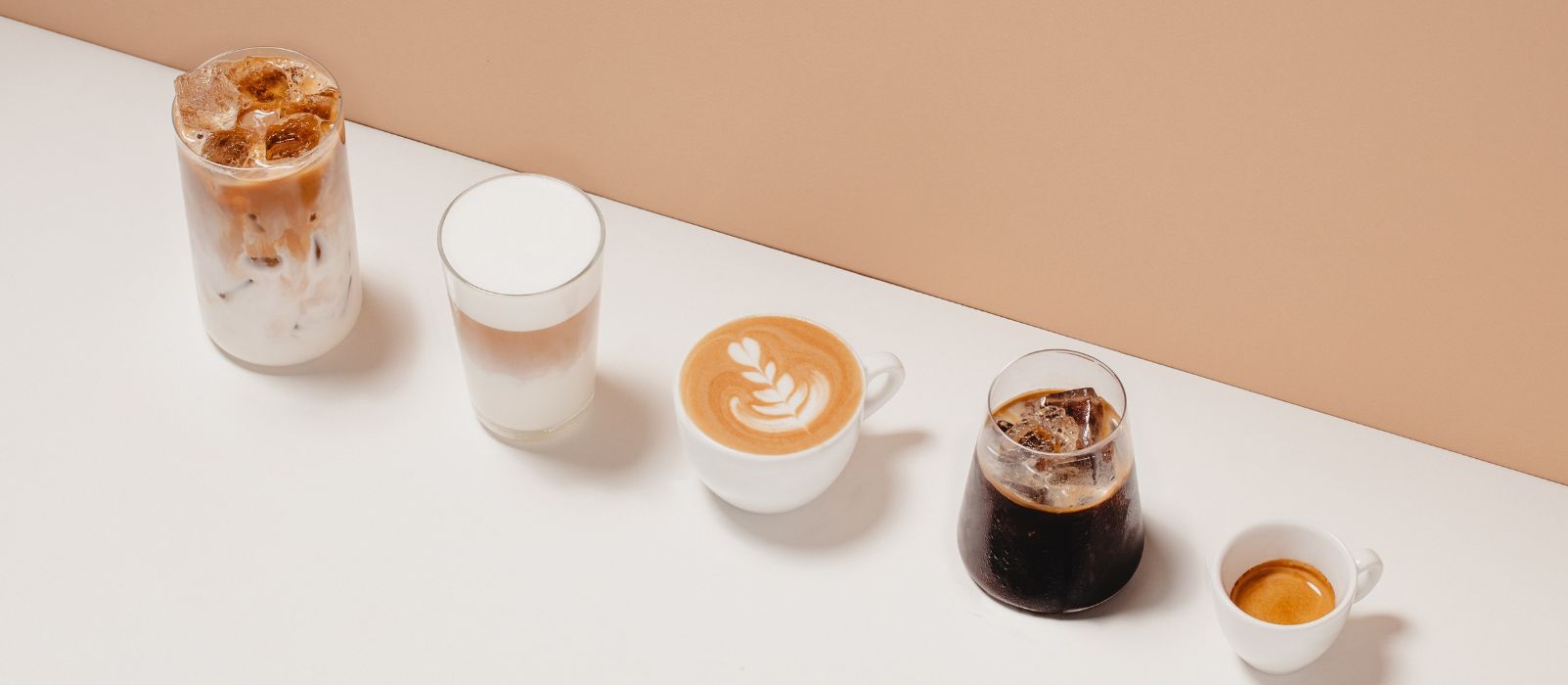
The right choice depends on what you want from your cup. Here is a simple way to decide.
| You want… | Choose |
|---|---|
| A short, intense coffee with crema | Espresso |
| A base for lattes, cappuccinos and flat whites | Espresso |
| A long, smooth cup to sip slowly | Drip or filter coffee |
| Several cups at once for the family | Drip or filter coffee |
| A full-bodied cup without a machine | Cafetiere |
| A strong espresso-style brew on the stove | Moka pot |
| The most convenient cup, with little cleaning | Coffee pods or instant coffee |
Not a true espresso, because it requires pressure of around 9 bar. A moka pot or an AeroPress can make a concentrated, espresso-style coffee, which works well as a base for milk drinks, but it will not have the same crema or texture.
Yes. Any coffee bean can be used, but blends labelled for espresso are usually roasted to give a balanced, rounded cup that works well with milk. Always grind finely enough for your machine.
Crema is the golden foam that forms during high-pressure extraction. It is a sign of a fresh coffee and a well-prepared shot, and it contributes to the texture and aroma of the espresso.
Decaffeinated coffee contains only a small amount of caffeine, not zero. If you need to avoid caffeine completely, check the label of the product.
A single shot is about 30 ml and a double shot about 60 ml, made with a larger dose of coffee. A double espresso therefore contains roughly twice the caffeine.
Caffeine reaches the bloodstream quickly whatever the drink, and an espresso is small enough to drink in a few sips. That is why many people feel the effect of a shot quickly, but a larger cup of coffee can contain as much or more caffeine overall.
The choice between espresso and regular brewed coffee comes down to how you like to enjoy your drink. Espresso delivers an intense, concentrated shot with a rich crema in just 30 seconds, making it ideal for a quick pick-me-up or as the foundation for lattes and cappuccinos. On the other hand, drip, filter, and cafetiere methods offer a lighter, smoother coffee beverage that you can sip slowly throughout the morning.
Best Coffee Beans UK 2026: Top 10 Beans for Bean-to-Cup Machines