

Arabica or robusta beans? Brazilian or Ethiopian origin? Sweet or fruity notes? It’s easy to get lost among the thousands…



Written by Chloé
Reading time 15 minBean-to-cup machine, cafetière, Moka pot… whichever way you make your coffee, grinding your own beans is second nature for any coffee lover. But did you know that every brewing method needs its own, very specific grind size? Getting the grind right changes everything about what ends up in your cup — and it’s especially true when you’re chasing the perfect espresso.
The right espresso grind size depends entirely on your brewing method. As a rule of thumb:
The finer the grind, the faster and more intense the extraction; the coarser it is, the slower and lighter the result.
To make coffee, there are many different extraction techniques, and each one needs its own specific grind size. They fall into six broad families.
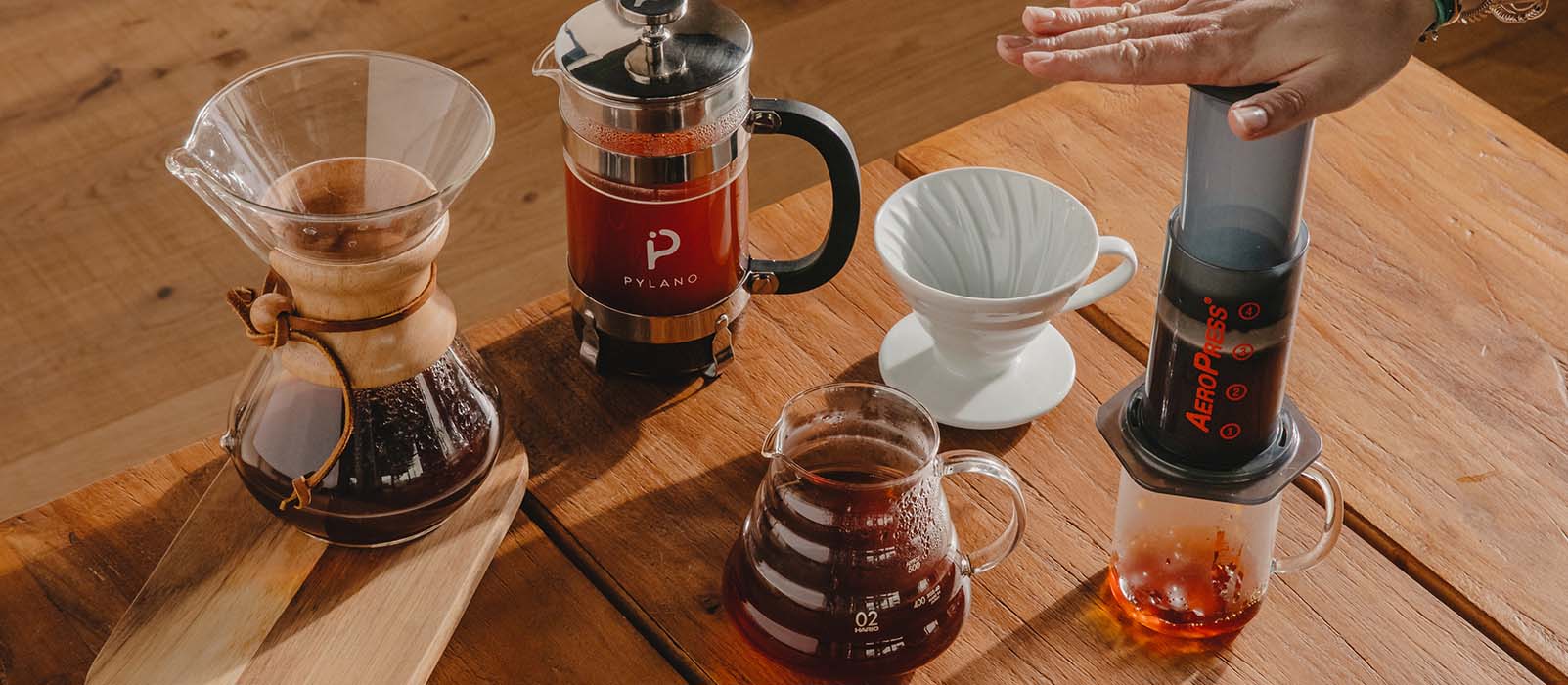
We call these “brewing methods”. In practice, they are simply the different ways water comes into contact with ground coffee to turn it into a drink. Each method has its own characteristics (contact time, pressure, temperature), which means it needs a very specific grind size to bring out all the flavours in your coffee. This link between brewing method and grind size is exactly what we’ll break down next.
Grinding your coffee beans is the final step before you can enjoy your cup. In practice, it means reducing whole beans to a powder using a coffee grinder. This powder the “grind” can be more or less fine depending on the setting you choose.
Particle size is simply the measurement of how big each ground particle is. In the coffee world, this is what people mean when they talk about grind size. It’s a key factor that shapes the whole result in your cup.
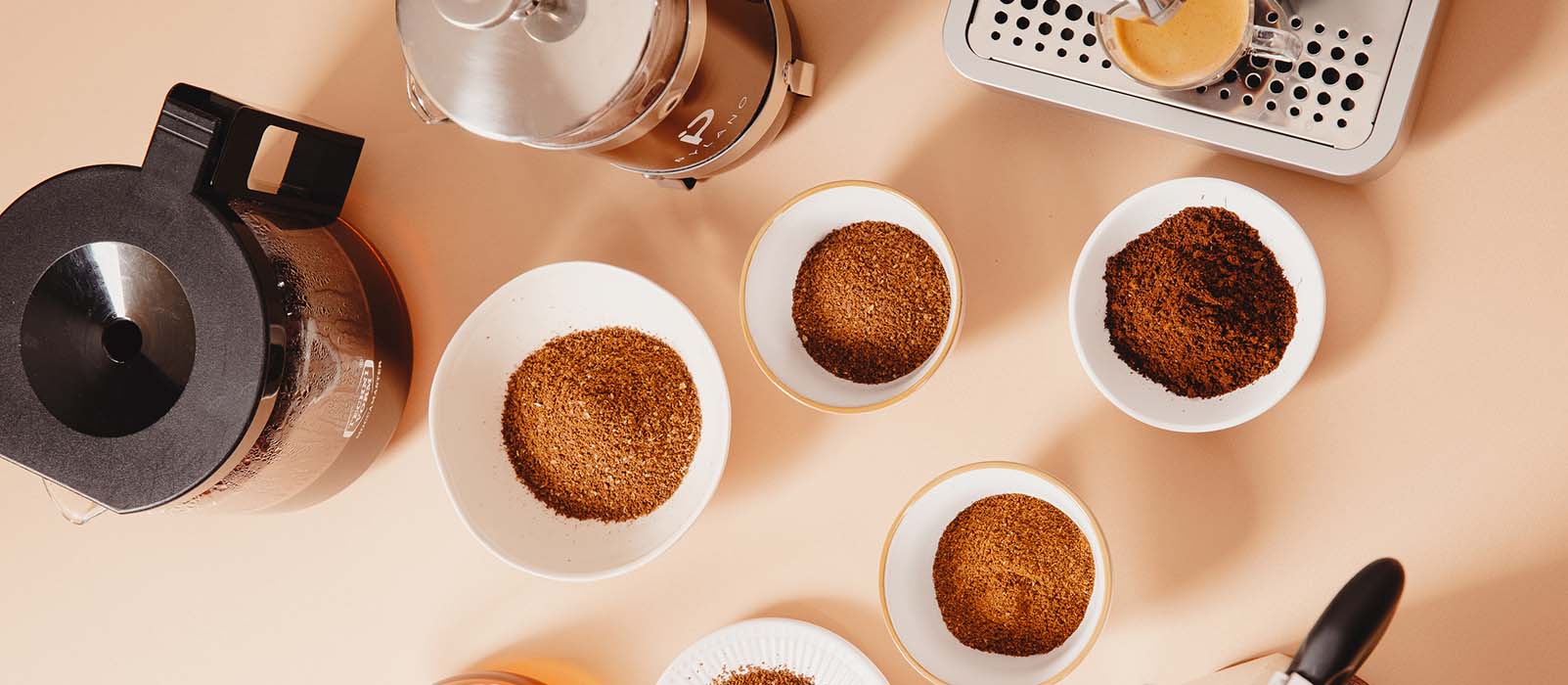
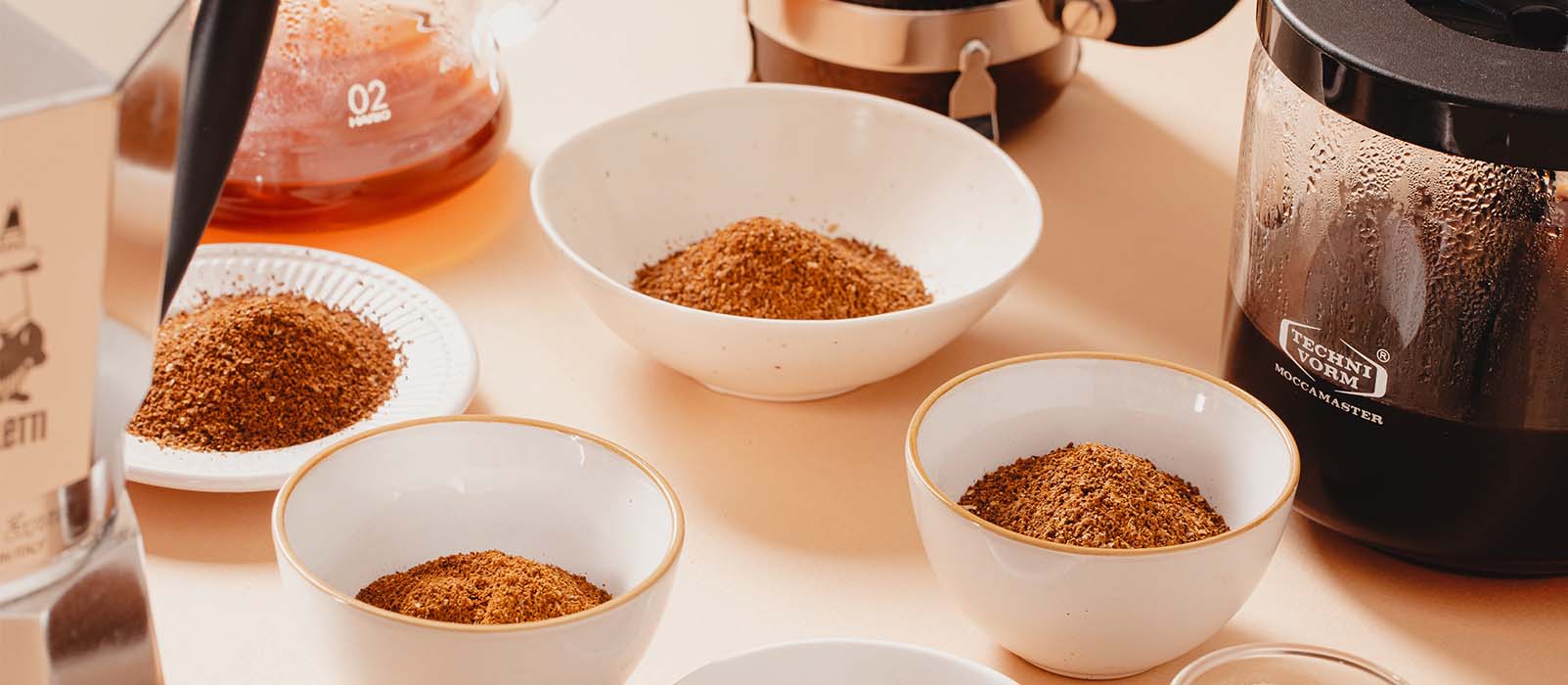
Just look at and feel the ground coffee: a fine grind looks like caster sugar, even flour, while a coarse grind looks more like sea salt.
Your coffee won’t taste the same brewed in a bean-to-cup machine as it does in a Chemex. Every brewing method is a bit like a recipe, and grind size is a crucial ingredient: the smaller the coffee particles, the larger the surface area exposed to water, and the faster the extraction.
With a fine grind, the beans are broken down much further: more coffee particles are exposed to the water, which speeds up extraction and makes for a more intense coffee. Watch out for over-extraction, though: too fine a grind can make your coffee taste bitter and harsh.
A coarse grind, on the other hand, exposes less surface area to the water: extraction is slower, giving a lighter coffee. Too coarse, and you risk under-extraction, with a flat, watery cup lacking flavour. A medium grind strikes a good balance and is ideal for filter coffee.
| Aspect | Fine grind | Medium grind | Coarse grind |
|---|---|---|---|
| Visual reference | Like flour | Like sand | Like sea salt |
| Extraction speed | Fast | Medium | Slow |
| Suitable methods | Espresso, ristretto | Filter coffee, Chemex | French Press, Cold Brew |
| Risk | Over-extraction, bitterness | Balanced | Under-extraction, flat coffee |
For espresso, you need a fine grind, similar in texture to table salt or flour. Hot water passes through the grounds in a matter of seconds under high pressure, so only a fine grind exposes enough surface area to extract rich, intense flavours and a proper crema.
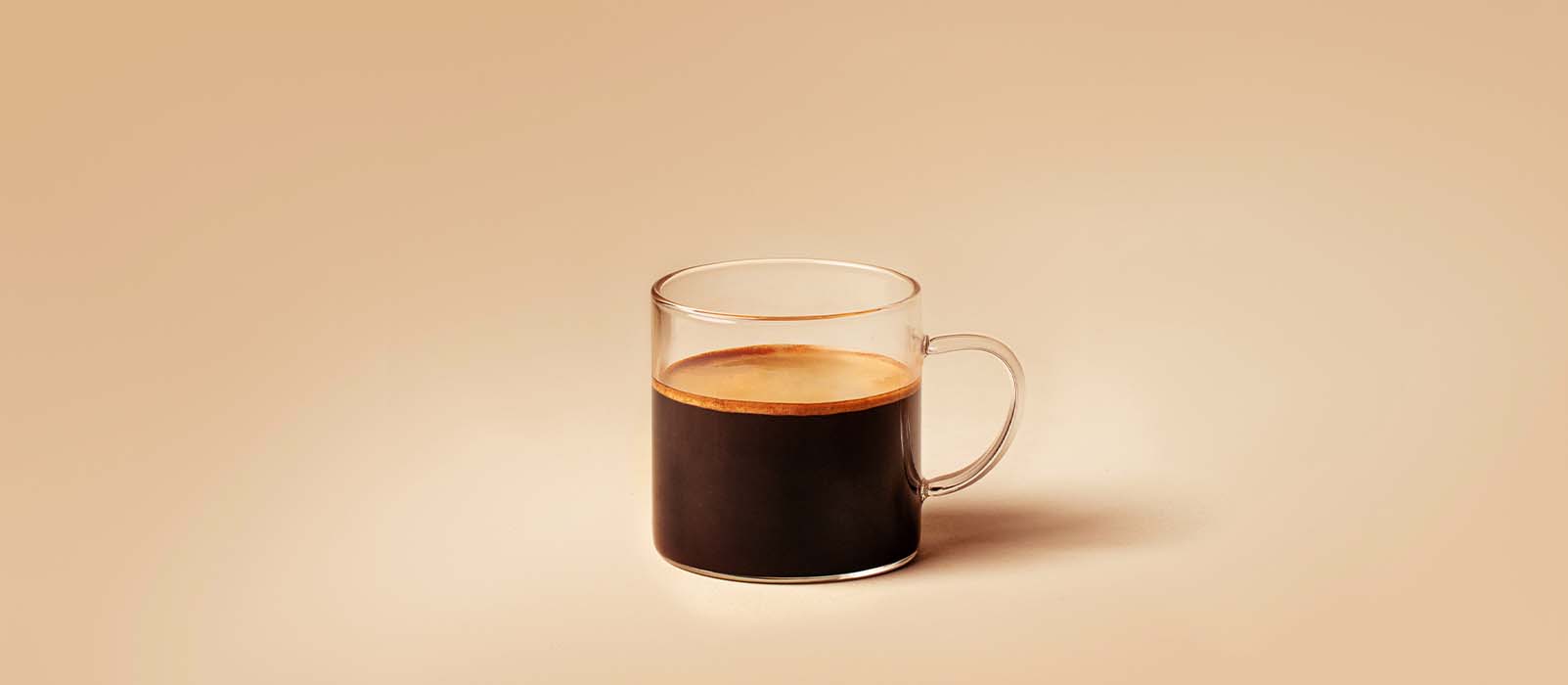
As a starting point, aim for an 18g in, 36g out ratio (a standard 1:2 brew ratio), with a target extraction time of around 25 to 30 seconds. If your shot runs too fast and tastes thin or sour, your grind is too coarse — go finer. If it runs too slowly, chokes the machine, or tastes bitter, your grind is too fine — go coarser.
The clearest sign is the result in the cup: a balanced, sweet shot pulled within the 25–30 second window means your espresso grinder is set correctly. A sour, watery shot usually means the grind is too coarse; a bitter, sluggish one means it’s too fine. Remember that every bag of coffee beans behaves differently depending on its roast level, age and humidity, so you’ll need to re-adjust — or “dial in” — your grinder each time you open a new bag.
The “30-second rule” simply means timing your shot from the moment the pump starts: a well-dialled-in espresso should typically run for 25 to 30 seconds for a standard double shot. Outside that window, adjust your grind size rather than any other variable, so you can clearly judge the effect of each change.
Dialing in is simply the process of finding the optimal grind size for your beans, your machine and your taste. Change only the grind setting at a time, in small increments, and taste after each adjustment:
If your shot isn’t behaving, the grind size is usually the first thing to check. A slower flow rate through the puck means finer grounds; a faster flow rate means coarser ones. Use this quick checklist to pinpoint the fix:
There’s no single “correct” grinder number — every espresso grinder and every bag of beans is different. Focus on the taste in the cup rather than chasing a specific dial position. For more detail on choosing between grind sizes, see our guide to other coffee grind sizes.
Grind size isn’t everything — the amount of coffee you use matters just as much for a good result in the cup. As a rough guide, a tablespoon holds around 15g of ground coffee, and a teaspoon around 7g, so you can adjust your dose without a scale if needed.
MaxiCoffee’s tips for extra flavour
With slow, gentle brewing methods, go for a very light to light roast. If you’re pulling an espresso on a bean-to-cup machine, choose a medium to very dark roast for an intense, full-bodied shot.

Yes, slightly. Light roasts are denser and harder, so they often need a touch finer setting to extract properly. Dark roasts are more brittle and release oils faster, especially at higher temperatures, so they usually need a slightly coarser grind to avoid over-extraction and clogging. Medium roasts are the easiest baseline: if in doubt, start there and adjust from your next bag.
For a Moka pot, go for a fine-to-medium grind, slightly coarser than for espresso. Pressurised steam passes through the coffee for longer than in an espresso machine: too fine a grind will clog the filter and make the coffee bitter, while too coarse a grind will leave it flat and under-extracted.
For a French Press, choose a coarse grind, similar to sea salt. The coffee steeps in water for several minutes before being pressed through the metal filter. Too fine a grind will slip through the mesh, leaving gritty sediment at the bottom of the cup and over-extracting bitter flavours.
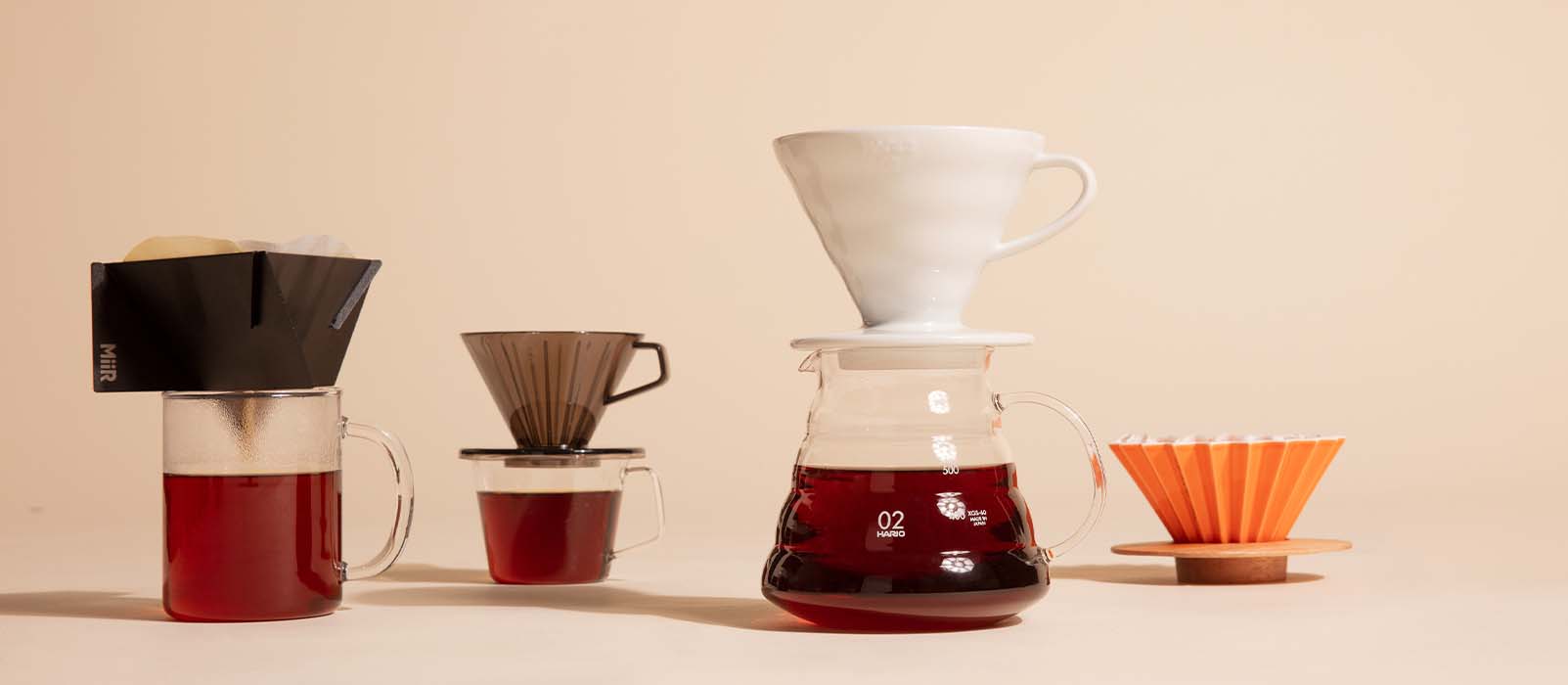
A medium grind, close to beach sand, works best for filter coffee, a V60 or a Chemex. Water flows through the grounds and paper filter by gravity, so this moderate contact time calls for a grind that’s neither too fine nor too coarse, for a well-balanced cup.
The type of filter you use (paper, permanent or pressurised) also affects the result in the cup: check out our comparison of pressurised versus standard filters to fine-tune your choice alongside your grind.
For a percolator, go for a medium grind.
Turkish coffee made in an Ibrik needs an extra-fine grind, almost an impalpable powder, as the coffee is boiled directly in water with no filtration at all.
| Brewing method | Recommended grind size | Visual reference |
|---|---|---|
| Moka pot | Fine to medium | Fine sand |
| French Press | Coarse | Sea salt |
| Filter, V60, Chemex | Medium | Beach sand |
| Espresso | Fine | Table salt / flour |
| Percolator | Medium | Caster sugar |
| Turkish coffee (Ibrik) | Extra-fine | Cocoa powder |
Your bean-to-cup coffee machine also lets you adjust your grind size. The grind dial is usually found inside the bean hopper. As a rule, a fine grind, similar to flour, works best for espresso.
If your espresso is too intense, strong or bitter, adjust the grind to expose less surface area to the water: choose a coarser setting. If your coffee is too weak, sour, or has a pale, thin crema, go finer to increase extraction.
Your own taste and the drink you’re after matter too: for a strong, syrupy coffee, grind finer; for something lighter, go coarser. A ristretto needs a fine grind, an americano a medium one, and don’t forget to adjust your coffee dose as well to get the result you want.
The principle stays the same across brands: turn the dial, usually located inside the bean hopper, towards fine or coarse while the grinder is running. On a Sage espresso machine or a De’Longhi Magnifica, one click towards fine is usually enough if your coffee runs too quickly; on a Krups automatic machine, proceed the same way, never adjusting more than one click at a time to protect the grinder.
Make changes gradually and judge the result over three espressos, giving the setting time to bed in. For a detailed walkthrough, see our guide to grind setting on bean-to-cup machines.
There’s no universal rule: experiment to find what suits you, bearing in mind that water temperature also affects the final result.
A good grinder lets you calibrate your grind size precisely, to match whichever brewing method you’re using. Choose a burr grinder over a blade grinder wherever possible: you’ll get a consistent grind size, which means a more even extraction and a better-balanced cup. Without precise settings, it’s impossible to get the right grind size for your coffee maker. And don’t forget to keep your grinder clean!
Beyond size, the quality of the grind matters just as much. Blade grinders chop coffee unevenly, a bit like a blunt knife tearing rather than slicing cleanly. The result is an inconsistent grind, made up of particles of very different sizes. With an uneven grind, water follows the path of least resistance: it seeps into the gaps between the coarsest fragments and creates preferential channels, a kind of shortcut that bypasses the denser pockets of grounds. That’s exactly why a burr grinder, with its far greater precision, is always the better choice over a blade grinder.
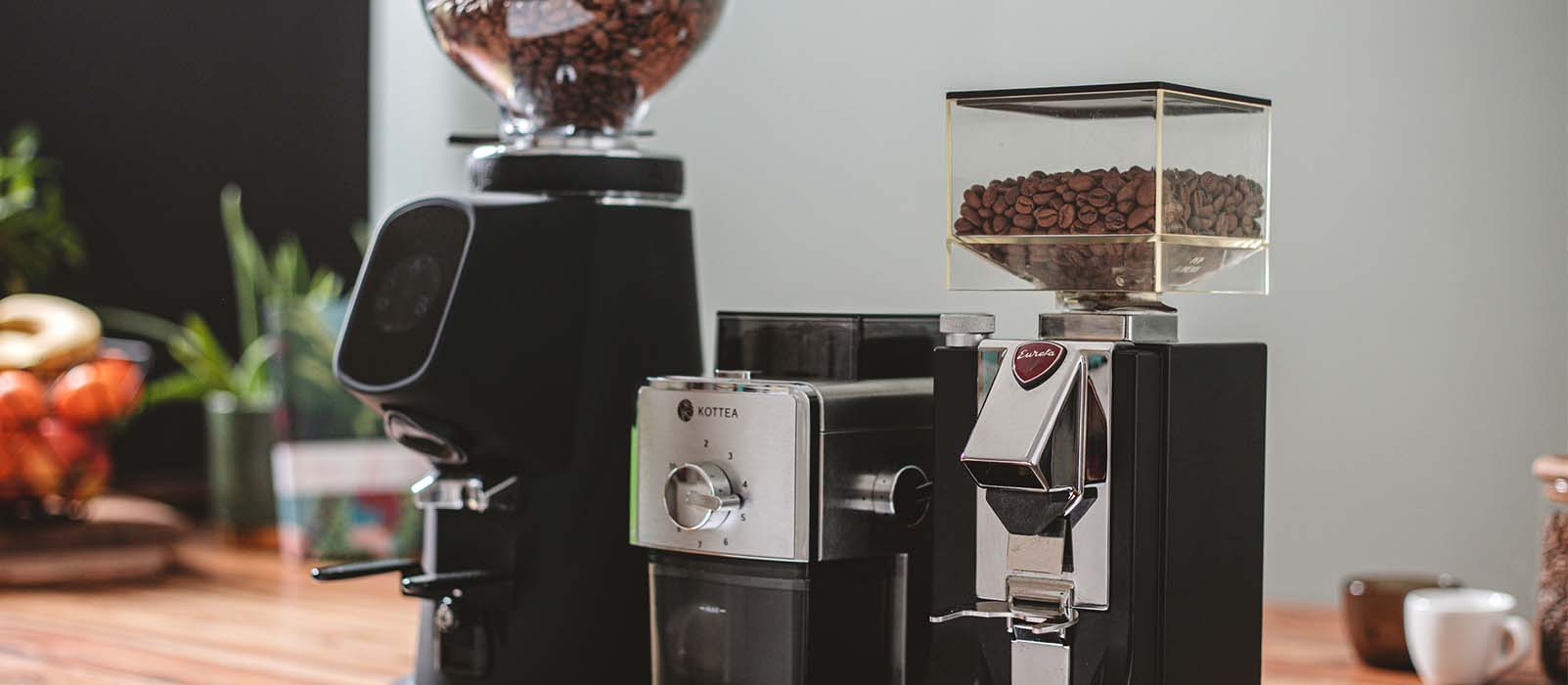
Now that you know how to match your grind size to your brewing method, other factors also come into play when preparing your drink (water temperature, strength, and so on). Above all, remember that there’s no exact science in the world of coffee: feel free to experiment until you find your own perfect recipe.
A good manual grinder gives you the same control over grind size as an electric model, in a compact, quiet package that’s perfect for espresso-compatible pods, Moka pot or a travel setup. Electric burr grinders remain the better choice if you need to grind larger quantities quickly, for example for a busy bean-to-cup machine. Three profiles cover most manual options:
Even the best espresso grinder will drift out of adjustment if it’s never cleaned. Ground coffee leaves oily residue on the burrs, which can affect flow rate and make your extraction time creep up over weeks of use.
A clean grinder is one of the simplest ways to keep a consistent grind size, shot after shot.
Shopping list


MaxiCoffee’s tips for extra flavour
Coffee loses a large share of its aroma within 24 hours of being ground. So it’s well worth grinding your coffee just before brewing — it keeps the aromatic notes of your beans fresher for longer.

Coffee that tastes too bitter is usually the result of a grind that’s too fine, which exposes too much surface area to the water and over-extracts the coffee’s compounds. Have a look at our article on bitter coffee and try a coarser grind to fix the balance.
Yes! Sour, acidic-tasting coffee usually comes from a grind that’s too coarse, which limits contact between the water and the coffee and prevents proper extraction. Go finer for a more balanced result in the cup.
Channeling happens when pressurised water finds a crack or a looser pocket in the coffee puck and rushes through it instead of flowing evenly across the grounds. The result is a shot that looks fine for a few seconds, then suddenly turns pale and watery.
An uneven grind size is one of the main causes: coarse and fine particles mixed together create exactly the kind of gaps water exploits. A consistent grind size, an even tamp and careful distribution of the grounds in the basket all help prevent channeling and keep your extraction time on track.
Sage espresso machines (such as the Barista Express or Barista Touch) work like any other bean-to-cup or semi-automatic machine: use a fine grind, close to table salt, and adjust one click at a time inside the hopper until your shot runs for 25–30 seconds and tastes balanced.
There isn’t a single “best” grind size: it has to suit your brewing method. Fine for espresso, medium for filter coffee, coarse for a French press. The best guide is always the result in the cup: not bitter (grind too fine), not flat (grind too coarse).
It depends entirely on your method. A fine grind suits fast, pressurised methods like espresso. A coarse grind suits slow immersion methods like the French Press or Cold Brew.
For a reusable espresso-compatible pod, go for a fine grind, close to what you’d use in a bean-to-cup machine. Remember: there’s no exact science, so adjust to suit your own taste.
Channeling happens when water forces its way through cracks in the coffee puck instead of flowing evenly, causing a sour, uneven shot. A consistent, evenly distributed grind — and a good burr grinder — is the best way to prevent it.
No. Both need a fine grind, but the Moka pot needs it slightly coarser than espresso, since steam pressure is lower and the water stays in contact with the coffee for longer.
Yes, slightly. Light roasts are denser and often need a touch finer grind, while dark, brittle roasts usually need a slightly coarser setting to avoid over-extraction.
Brush out retained grounds after each use, deep-clean the burrs weekly with a grinder cleaner, and check burr wear monthly — a well-maintained grinder keeps your grind size consistent shot after shot.
Fine for espresso, medium for filter coffee, coarse for a French press: the right grind size always depends on your brewing method. Adjust your grinder in small increments and taste regularly to find the setting that works for you. A burr grinder and freshly ground coffee remain your best allies for a well-balanced cup.
Discover our other articles
How To Choose A French Press : A Guide with Tips and Benefits
Our website has had a complete makeover, with a new design and improved features to make your-day-to-day browsing experience easier and more enjoyable.
To continue enjoying the MaxiCoffee experience, you’ll just need to reset your password.