




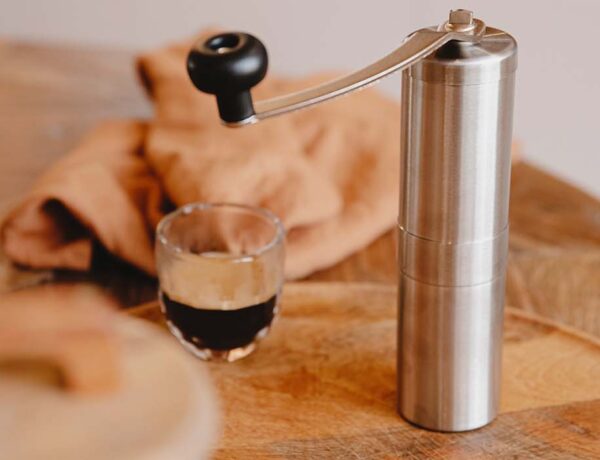
If you’re serious about your coffee, a good manual grinder can be a real game changer. While electric grinders are…



Written by Chloé
Reading time 9 minFrench press coffee vs pour over: two of the most popular manual brewing methods, yet they produce remarkably different cups. French press delivers a rich, full-bodied brew through immersion, while pour over favours clarity and nuanced flavour through controlled, gravity-fed extraction. Choosing between them comes down to what you value most in your morning ritual.
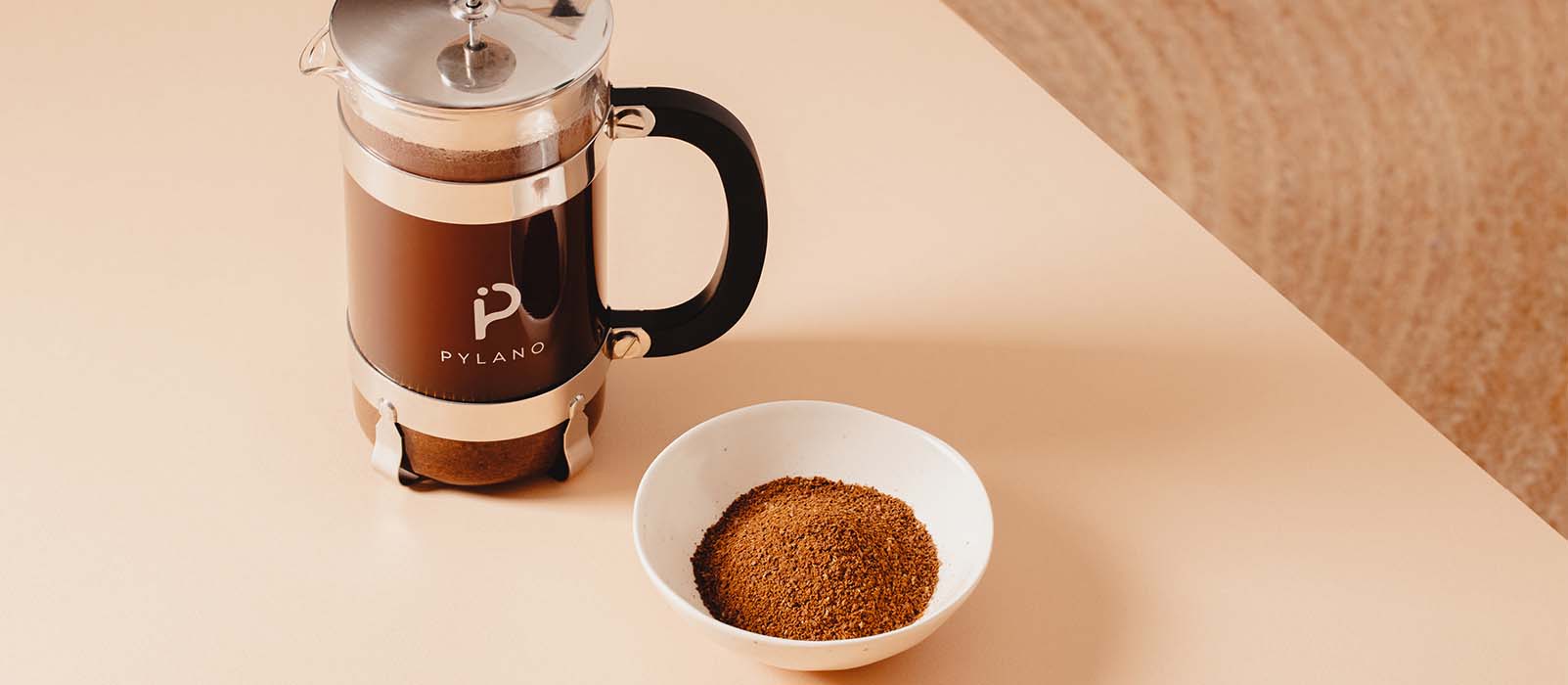
French press coffee relies on the immersion method rather than filtration. Coarse ground coffee steeps directly in hot water inside the carafe for a few minutes, allowing flavour, body and oils to extract fully before a metal mesh plunger is pressed down to separate the grounds from the liquid.
That absence of a paper filter is what sets this method apart. Natural coffee oils stay in the cup instead of getting trapped, giving the coffee a rich, full-bodied character that feels noticeably heavier and rounder than filter coffee.
The process itself stays simple: nothing goes into the carafe except coarse ground coffee and hot water. Grind size matters here, since anything finer than coarse would slip through the mesh and leave sediment in the cup. Anyone deciding whether this brewing style suits them can check this guide on how to choose a French Press for practical buying advice before picking a model.
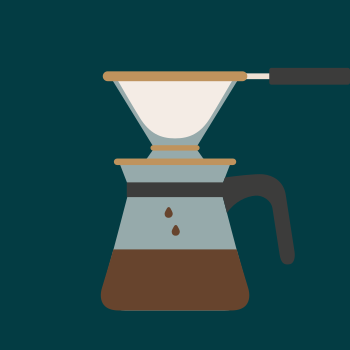
Pour over is a manual drip method where hot water is poured directly over coffee grounds resting in a dripper lined with a paper filter. The water slowly filters through the grounds and drips into the cup or carafe below, extracting oils and flavour compounds at a controlled pace.
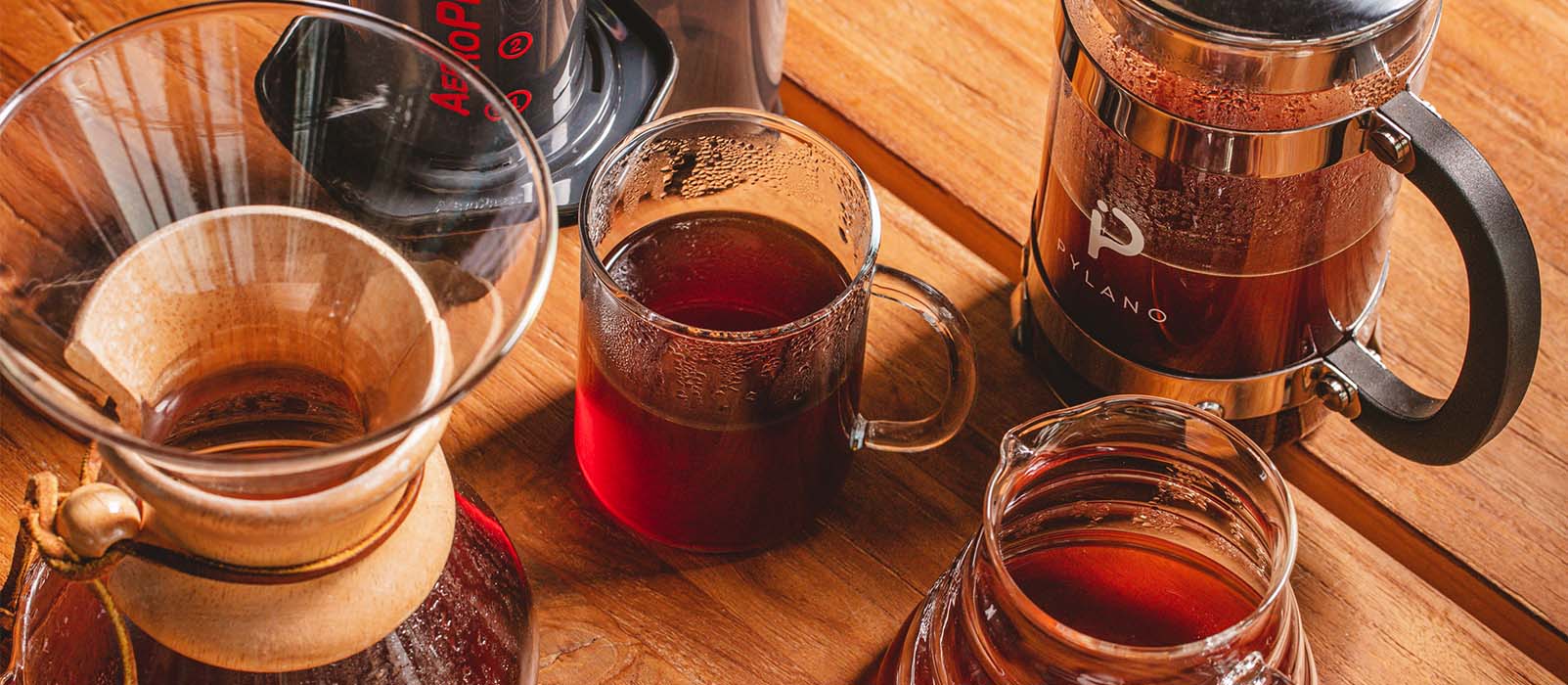
The two most recognised dripper styles are the Hario V60, known for its conical shape and spiral ridges that promote even extraction, and the Chemex, which pairs a thicker paper filter with an hourglass carafe for a cleaner cup. Many brewers also use a gooseneck kettle, since its narrow spout allows for a slow, precise pour that keeps the water flow steady and consistent across the grounds.
Compared to immersion methods, pour over tends to produce a lighter body with sharper flavour clarity, highlighting acidity and aromatic notes. For a closer look at technique and equipment, this guide to the Pour Over Coffee Maker breaks down the process step by step.
Both methods produce excellent coffee, but they get there through entirely different mechanics. Understanding what sets them apart helps you pick the right brewing method for your morning routine, whether you value convenience, ritual or raw flavour control.
A French press keeps things simple: a glass or steel carafe, a metal mesh plunger, and hot water. That’s it. Pour over demands a bit more gear: a dripper (like a Hario V60 or Chemex), paper filters, and ideally a gooseneck kettle for precise pouring. The French press wins on simplicity and portability; pour over rewards those willing to invest in a slightly more involved setup.
Grind size is where these two methods really diverge. French press relies on a coarse grind, similar to sea salt, steeped in hot water for about four minutes before pressing. It’s a full-immersion brewing method with minimal technique required.
Pour over uses a medium-fine grind and demands active participation: a slow, circular pour that saturates the grounds evenly over two to three minutes. The result is a more hands-on process, but one that offers greater control over extraction.
This is where the real distinction shows up in the cup. The French press’s metal mesh filter lets natural coffee oils and fine sediment pass through, producing a heavier body with a rich, sometimes cloudy texture. Pour over’s paper filter traps those oils, resulting in a cleaner, brighter cup with sharper flavour clarity, ideal for tasting subtle notes in single-origin beans.
| Feature | French Press | Pour Over |
|---|---|---|
| Filter type | Metal mesh | Paper |
| Grind size | Coarse | Medium-fine |
| Body | Heavy, full | Light to medium |
| Clarity | Lower | Higher |
| Ease of cleaning | Moderate (grounds disposal) | Easy (discard filter) |
| Brew time | 4 minutes | 2-3 minutes |
Getting the ratio right matters as much as the grind. As a general starting point: French press typically uses around 1:15 (for example, 30g of coffee to 450g of water), while pour over leans closer to 1:16 (for example, 22g of coffee to 350g of water) — adjust to taste from there.
On cost, both methods are inexpensive compared to an espresso machine. A French press is usually the lower-maintenance option since it needs no ongoing consumables, while a pour-over setup adds a small recurring cost for paper filters and, ideally, a gooseneck kettle for precise pouring.
A drip coffee maker automates the entire process: water heats, drips through a paper filter, and lands in a carafe with minimal effort on your part. That automation means consistency, you get roughly the same cup every time, but it also strips out the ritual and hands-on control that a French press offers. With a French press, you decide the steep time, the water temperature and the grind size, giving you more room to fine-tune flavour. Drip machines also tend to produce a lighter-bodied cup since the paper filter traps most of the oils and fine sediment that a French press lets through. If you’re brewing several cups of coffee at a time for a household, a drip machine wins on convenience; if you want a hands-on device that rewards a bit of practice, the French press still holds its own.
The Aeropress is a hybrid device: it combines short immersion with light pressure, pushing water through a paper or metal filter using a plunger. That combination produces a cleaner, often less sedimented cup than a French press, brewed in a fraction of the time. A percolator works differently altogether, recirculating boiling water through the grounds repeatedly, which can lead to over-extraction and a harsher, sometimes bitter taste if you’re not watching the clock. Among the three, the French press remains the simplest immersion method, with the least equipment and the most forgiving learning curve.
Espresso relies on high pressure forcing hot water through finely-packed grounds in seconds, producing a small, concentrated, syrupy shot with a signature crema on top. Pour over takes the opposite approach: gravity, not pressure, guides water slowly through medium-coarse grounds, yielding a lighter, more layered cup that highlights subtle flavour notes. Neither method is “better”; they simply serve different coffee moods.
Choosing between these two methods comes down to how much control you want over the brew and what you’re serving. Both use coffee grounds and hot water, but the similarities end there.
French press wins on simplicity and body. Steep, press, pour: no filters, no pouring technique to master, and no fuss when you’re making coffee for a group. Pour over wins on precision and clarity, letting single-origin coffees and light roasts show their actual flavour instead of getting muddied by sediment.
Use this quick checklist to decide:
Neither is objectively the better choice. It depends on the coffee in your bag and how much time you want to spend on the process.
For iced coffee, French press generally has the edge. Its full immersion method produces a stronger, more concentrated brew that holds up better once poured over ice, without turning watery or flat. Pour over can work too, but you’ll want to brew it stronger than usual (a higher coffee-to-water ratio) to compensate for dilution. If iced coffee is a regular habit, French press is the more forgiving, consistent option.
Neither method is objectively better; each suits different priorities. French press produces a fuller-bodied cup with more oils and sediment, while pour over delivers cleaner clarity and brighter, more nuanced flavours thanks to its paper filter. Pick French press for richness and simplicity, or pour over for precision and a lighter, more refined taste profile.
Not quite. Add coarsely ground coffee to the carafe, pour hot water (around 93-96°C) over the grounds, stir gently, then let it steep for about four minutes before pressing the plunger down slowly. The metal filter traps grounds while letting oils through, so grind size and steep time matter more than with drip methods.
French press coffee often contains more sediment and oils than filtered methods, since the metal filter doesn’t trap fine particles the way a paper filter does. This can leave a heavier mouthfeel and occasional grit at the bottom of the cup. It also demands precise timing, as over-steeping quickly turns the brew bitter.
Pour over is often considered the healthier option because its paper filter removes cafestol and kahweol, two compounds linked to raised LDL cholesterol. French press retains these oils due to its metal filter, giving richer flavour but more diterpenes overall. For anyone monitoring cholesterol, pour over offers a lighter, filtered alternative.
French Press and Pour Over offer two distinct coffee experiences. French Press stands out for its simplicity and rich, full-bodied flavour, while Pour Over focuses on precision, clarity and delicate aromas. The right choice depends on your personal taste, the coffee you use and how much time you want to spend on the brewing process.
Our website has had a complete makeover, with a new design and improved features to make your-day-to-day browsing experience easier and more enjoyable.
To continue enjoying the MaxiCoffee experience, you’ll just need to reset your password.