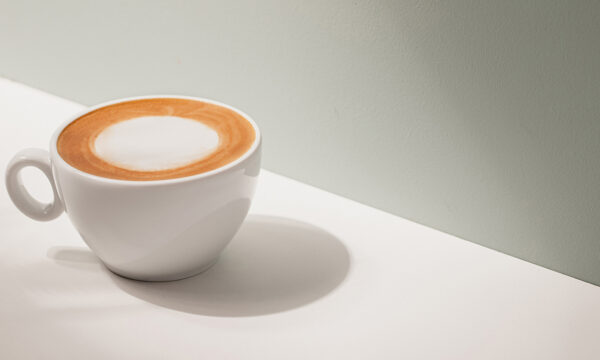
Latte macchiato, cappuccino, cappuccino, latte macchiato: it can be tricky to tell the difference. In this primer, we’ll explain the…


Written by Chloé
Reading time 14 minLooking for the best coffee beans for a latte? The best coffee beans for a latte are medium to dark roast blends with low acidity and chocolate, caramel or nutty notes, strong enough to come through a full cup of steamed milk without getting lost. A touch of Robusta in the blend also helps, since it builds body and a thicker, longer-lasting crema that holds up under milk. Below, we explain exactly what to look for, how to match beans to your machine, and which coffee beans for latte are worth stocking in your kitchen.
A latte is mostly milk, so the coffee has one job: stay present. Pick the wrong bean and your espresso shot disappears under all that steamed milk. Pick the right one, and every sip still tastes like coffee, just rounder and sweeter. Three factors make the real difference: roast level, the balance between Arabica and Robusta, and whether you go for a blend or a single origin coffee.
Light roasts are prized for their bright acidity and delicate fruit notes, which is exactly why they struggle in a latte: milk flattens subtlety. A medium to dark roast, on the other hand, develops more body, less acidity and bolder roasting aromas such as cocoa, toasted nuts and light spice. That’s the flavour profile that survives contact with milk and still gives you a proper coffee taste in every cup.
Arabica beans bring sweetness, aromatic complexity and a smoother finish, while Robusta beans add crema, body and a stronger caffeine kick. For an espresso destined for milk drinks, many Italian-style blends combine around 70 to 90% Arabica with 10 to 30% Robusta: enough Arabica for flavour, enough Robusta for a thick, long-lasting crema. Full Robusta blends can work too if you want a very punchy, intense cup, but they trade some of the sweetness and flavour notes for pure strength.
Single origin coffees showcase the character of one specific growing region, from Ethiopian naturals to washed beans from El Salvador or Colombia, and they shine in methods like pour-over or filter, where their flavour notes aren’t diluted by milk. Espresso blends, by contrast, combine beans from several origins specifically to build a balanced, forgiving flavour profile that performs consistently cup after cup, which is exactly why most coffee roasters recommend a blend for lattes and other milk-based drinks.
The right bean also depends on your setup. Automatic bean-to-cup and espresso machines handle medium roasts most consistently, since very oily dark roasts can clog built-in grinders over time. If you own a manual espresso machine or a Sage Barista Express, you have more freedom to push the roast darker for extra intensity, as long as you adjust your grind size and dose to avoid over-extraction. For a cappuccino machine with a built-in steam wand, the same rule as a latte applies: medium to dark, low acidity, chocolate or nutty notes that hold their own once the milk is textured. If you brew with a bean-to-cup machine specifically, our guide to the best coffee beans for bean to cup machines goes into more detail on grind consistency and oil content.
Whatever machine you use, grind size matters as much as the bean itself. Too coarse, and your shot runs too fast and tastes thin under milk. Too fine, and it chokes the machine and turns bitter. Start with the grind setting recommended by your machine manufacturer, then adjust a notch at a time until the shot runs in the usual 25 to 30 second window for an espresso base.
Across UK reviews and buying guides, the same pattern keeps coming back: top rated coffee beans for milk drinks tend to be medium to dark Arabica and Robusta blends rather than light, single origin coffees. The five picks below follow that same logic, each one roasted and blended with espresso and milk drinks in mind rather than as an afterthought.
Here is a selection of best coffee beans for latte, based on their official roast level, blend composition and tasting notes.
| Coffee | Arabica / Robusta | Roast level | Tasting notes | Best for |
|---|---|---|---|---|
| Zicaffè Linea Espresso | Balanced blend | Medium-plus | Chocolate, orange blossom, spice | All-rounder (espresso + latte) |
| Lavazza Crema e Gusto Forte | Arabica + Robusta | Dark | Chocolate, wood, tobacco, spice | Café-style espresso base |
| Zicaffè Linea Bruna | Full-bodied blend | Dark | Cedar, cinnamon, nutmeg | Larger milk drinks |
| Caffè Borbone Miscela Blu | Arabica + Robusta | Very dark | Cocoa, cedar, vanilla | Bold, dessert-like latte |
| Perléo Espresso Forte | 30% Arabica / 70% Robusta | Dark | Walnut, molasses, cocoa | Filter or moka pot milky coffee |
Zicaffè Linea Espresso is a balanced Arabica and Robusta blend with a medium-plus roast, specifically listed by the roaster as suitable for milk drinks as well as straight espresso. Expect a dense, creamy crema and a flavour profile built around chocolate, orange blossom and spice, with a long dark-chocolate finish on the palate. It’s a solid, versatile entry point if you want one bag that works for both a short black and a latte.
An Arabica and Robusta blend from Lavazza, sourced from Brazil, East Africa and South-East Asia, roasted dark specifically for espresso machines. The cup delivers an intense chocolate flavour with notes of wood, tobacco and spice, plus a thick amber crema that holds up well once milk is added. A dependable, widely recognised name for anyone who wants a café-style espresso base at home.
Linea Bruna is a full-bodied Arabica and Robusta blend roasted dark in Sicily, with a woody aromatic profile built around cedar, cinnamon and nutmeg. Its strength and body make it a good match for larger milk drinks, where you need the espresso shot to carry through a full mug.
Roasted in Italy, Miscela Blu is a very dark Arabica and Robusta blend with a rich and sweet aromatic group, bringing out notes of cocoa, cedar and vanilla. The intensity and sweetness of this profile make it a good option for drinkers who want a bold latte base with a dessert-like character.
For those who brew with a filter machine or moka pot rather than an espresso machine, Perléo Espresso Forte is a 30% Arabica, 70% Robusta ground coffee, roasted dark in France. It has a full-bodied, woody profile with walnut, molasses and cocoa notes, very low acidity, and a persistent finish, making it a strong, no-fuss option for a milky coffee brewed without an espresso machine.
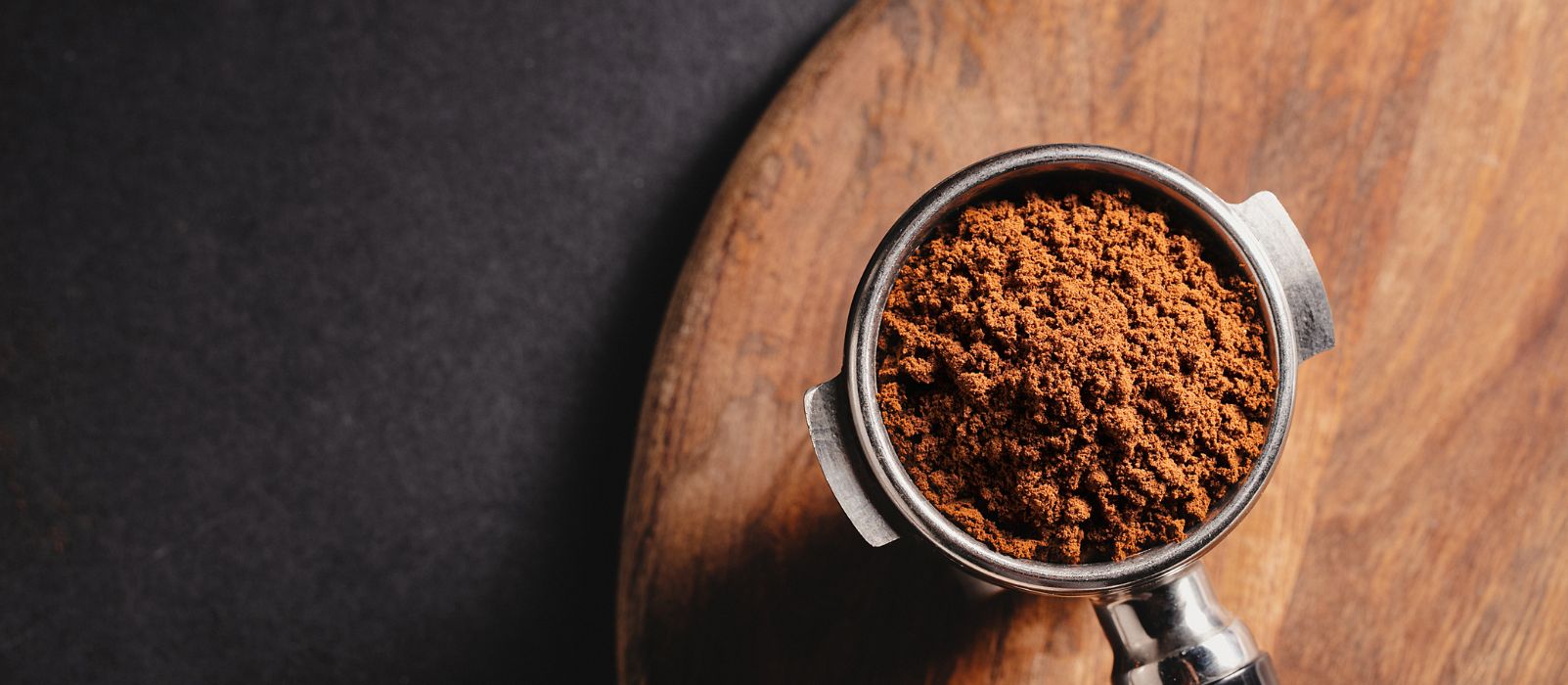
Whatever blend you choose, freshness changes the experience more than the brand name on the bag. Coffee is at its best within a few weeks of its roast date, not its “best before” date, which can be many months away. Buying freshly roasted, whole bean coffee and grinding it just before brewing preserves far more aroma than pre-ground coffee, which starts losing flavour within minutes of grinding. If you drink coffee daily and want the best possible cup, it’s worth investing in an entry-level grinder rather than relying on pre-ground bags.
You don’t need the most expensive bag on the shelf to make a good latte. Mid-range Italian-style blends, like the ones listed above, typically sit between £15 and £20 per kilo and are built specifically for espresso and milk drinks.
Premium or speciality grade coffees (scored above 80 on the Specialty Coffee Association’s 100-point scale) offer more complex flavour notes and traceability, but they are often better suited to black coffee or pour-over, where their subtlety isn’t lost in milk.
On a tighter budget? Look for an Arabica and Robusta blend over £10 per kilo rather than the very cheapest commodity-grade options, which tend to taste flat and overly bitter once milk is added.
Internationally known names like Lavazza and Starbucks popularised the idea of espresso-based milk drinks well beyond Italy, and their blends remain a safe, consistent choice for a latte. Lavazza’s range covers both the lighter, honey-and-dried-fruit Super Crema, a supermarket staple, and darker blends such as Crema e Gusto, built around Arabica and Robusta specifically for espresso machines, while Starbucks’ espresso roasts tend to lean darker and smokier. Traditional Italian roasters such as Zicaffè and Caffè Borbone follow the same broad principle, pairing Arabica for flavour with Robusta for body and crema, which is precisely the combination that performs best once milk enters the equation. If you want to explore this style further, our roundup of the best Italian coffee beans covers several more traditional Italian-style espresso blends.
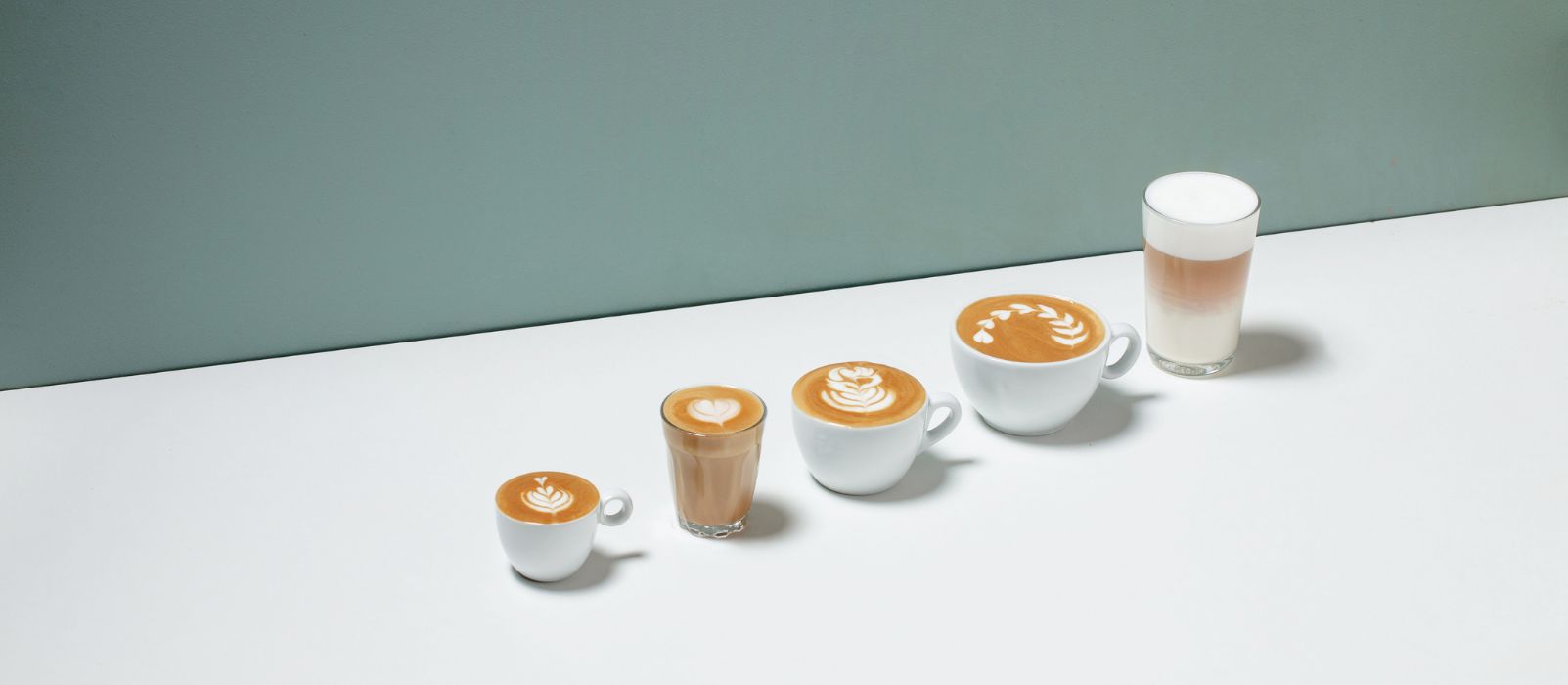
Once you’ve chosen your beans, technique matters just as much as the bag, whether you’re pulling shots on an espresso machine or extracting on a moka pot. Measure your dose accurately, usually 18 to 20g for a double shot, grind to a fine, espresso-ready consistency, and tamp evenly to avoid channelling. Pull your shot into a cup, then steam your milk to a smooth, glossy microfoam rather than large bubbles. The main difference between a latte, a flat white and a cappuccino comes down to the milk texture and ratio: a latte uses more steamed milk and a thinner layer of foam, a flat white is slightly stronger with a very fine microfoam, and a cappuccino has a thicker foam cap.

Organic certification speaks to how the coffee was farmed, not to how it will taste in your cup, so it’s not a reliable shortcut for finding a smooth or strong espresso. What actually determines whether a coffee tastes smooth, strong or balanced is still the roast level and the Arabica to Robusta ratio discussed earlier. Some of the world’s best known espresso blends aren’t organic at all. The label is worth looking for if sustainability is a priority for you, but it shouldn’t replace checking the roast and blend details.
Beyond the blend itself, quality and brand reputation still play a real role in consistency. A well established brand with a clear brew method recommendation on the bag, a stated roast date, and transparent sourcing is generally a safer bet than an unlabelled, generic bag. The difference between a mediocre and a genuinely good signature blend often comes down to small details: a touch of caramel sweetness in the finish, a fuller body, lower high-acidity notes, and a clean, sweet finish rather than a harsh aftertaste. For your morning routine, that difference is the main reason it’s worth spending a little time comparing blends rather than grabbing the first bag you see.
Buying the best coffee beans online is convenient, but a few checks help home brewers avoid disappointment. Many people choose a bag based on brand reputation alone, but the simplest way to judge a coffee before your first sip is to look for a visible roast date, a clear Arabica and Robusta ratio or single origin description, and genuine reviews from people who’ve actually tried the coffee on this list or similar blends. If the listing matches the tasting notes described in this guide, chocolate, caramel or nutty, low acidity, you can be fairly confident it will deliver a good coffee experience in a latte.

Among current UK coffee trends, subscription services and single-bag signature blends from newer roasters are increasingly popular alongside classic Italian-style espresso. Specialty names such as Pact Coffee, known for its Bourbon Cream blend, Kiss The Hippo, recognised for its George Street espresso, Assembly Coffee’s house espresso, and Origin Coffee’s Resolute Blend, have all built a loyal following, alongside smaller roasters like Clumsy Goat and Batch Coffee. That said, the best coffee beans for a latte don’t need to come from a trendy subscription roaster.
If you’ve tried a lighter, fruit-forward bag from Pact or Kiss The Hippo and want something closer to a traditional latte base, their house espresso options are a better fit: both are formulated with a medium roast and chocolate-forward notes, much like the Italian-style blends covered earlier in this guide. Whatever coffee on this list, or on your own shelf, catches your eye, the same advice applies: check the roast level and blend ratio before you buy, since that’s what actually determines whether it holds up in milk.
Whatever your preferred brew method, whether espresso, moka pot or bean-to-cup, a touch of caramel sweetness, a hint of brown sugar and a clean sweet finish are good signs of a well-balanced blend for your mornings. If your current bag doesn’t deliver that, it might be worth trying something different, and our top pick advice stays the same: in the end, finding the best coffee beans is less about chasing trends and more about matching roast and blend to your cup.
A medium to dark roast is generally best for lattes. It gives enough body and low enough acidity for the coffee flavour to come through a full cup of steamed milk, with notes of chocolate, caramel or nuts rather than bright, fruity acidity.
There’s no single “best” bean, but the most reliable choice is an Arabica and Robusta espresso blend with a medium to dark roast, such as the Zicaffè or Lavazza blends listed above. The Robusta portion adds crema and body, while the Arabica brings sweetness and flavour.
The best coffee beans depend on how you plan to brew them. For espresso and milk drinks, look for a medium to dark Arabica and Robusta blend. For filter or pour-over, a lighter single origin coffee with brighter acidity usually works better.
Popular home espresso machines such as the Sage Barista Express come with a built-in grinder and a steam wand, which makes them a natural fit for a milk-based routine, whether you’re pulling a latte or a flat white. As with any automatic or semi-automatic espresso machine, a medium to dark Arabica and Robusta blend is the safest starting point: it’s forgiving on the grinder, produces a reliable crema, and gives any home barista room to adjust grind size and dose without the best coffee tasting thin once milk is added.
Use whole bean coffee roasted specifically for espresso, ideally a medium to dark Arabica and Robusta blend, and grind it fresh just before brewing. Avoid very light or very oily dark roasts, which can be harder for some grinders and machines to handle consistently.
Grind is a well-regarded UK coffee brand known for its medium roast house blend and convenient packaging. It’s a reasonable, widely available option, though it sits in the same broad category as the Italian-style Arabica and Robusta blends covered in this guide, all built around the same medium to dark roast principles that work well for a latte.
Pact Coffee and Kiss The Hippo are both well-regarded UK specialty roasters. Pact’s house espresso and Kiss The Hippo’s George Street blend are formulated for milk drinks, with a medium roast and chocolate-forward notes similar in spirit to the Italian-style blends in this guide.
Best coffee beans for latte are available from specialist coffee retailers such as MaxiCoffee, which offers a dedicated range of Italian-style espresso blends and ground coffee suited to milk-based drinks, with detailed roast and tasting note information on every product page.
The best coffee beans for a latte combine a medium to dark roast, balanced Arabica and Robusta flavours, and enough body to complement steamed milk. Look for chocolate, caramel or nutty notes, choose freshly roasted beans, and adjust your grind to suit your coffee machine. Whether you prefer a smooth, creamy latte or a stronger, café-style drink, the right blend makes all the difference. Ultimately, the best choice comes down to your taste, brewing method and budget.
Discover all of our articles