

Coffee, like other great consumer products, can be a diamond in the rough. Just like wine, there are coffees at…



Written by Julie
Reading time 13 minJamaica Blue Mountain coffee is a certified, single-origin Arabica coffee grown exclusively in the Blue Mountains of eastern Jamaica, at elevations above 910 metres. Often nicknamed the “Champagne of Coffee”, it is renowned for its exceptional balance, smooth body, and remarkable lack of bitterness, making it one of the world’s most prized — and most expensive — coffees. Produced with meticulous care across Jamaica’s official Blue Mountain regions, this specialty coffee is celebrated for its exceptional quality and prestigious origin.
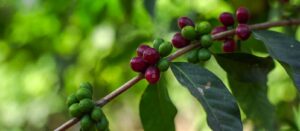
The story of the king of coffee began when the French king Louis XV decided to plant coffee trees on the island of Martinique. Five years later, in 1728, the governor of Martinique gave Sir Nicholas Lawe, governor of Jamaica, one of these coffee trees. From this single plant, the production of Jamaican coffees began, and the trees thrived in the Blue Mountains of eastern Jamaica, where the mountainous terrain and rich soil proved ideal for coffee cultivation.
By 1951, only a handful of small plantations had survived successive land-use changes. Jamaica’s government decided to rebuild the industry from the ground up, placing quality control at the heart of the effort to turn coffee into one of the country’s flagship exports. The Coffee Industry Regulation Act provided the legal framework for this transformation, establishing the Coffee Industry Board (now the Jamaica Agricultural Commodities Regulatory Authority (JACRA)) to set strict standards for growing, harvesting, processing, and marketing genuine Blue Mountain coffee.
It wasn’t until 1973 that the Blue Mountain Coffee certification mark was officially registered, cementing the prestigious label and highly valuable product we know today. This designation, upheld through rigorous quality control, protects the authenticity of genuine Blue Mountain coffee and preserves the exceptional standards that define this legendary variety.
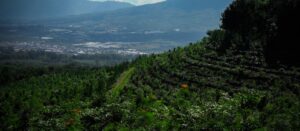
As with all coffees, the conditions in which Blue Mountain coffee is grown play a key role in developing its distinctive flavours. The coffee trees thrive in the rich volcanic soils of Jamaica’s Blue Mountain range, whose highest point, Blue Mountain Peak, rises to around 2,256 metres. This altitude creates its own cool climate, with afternoon temperatures dropping and rainfall remaining abundant year-round. Combined with excellent drainage on the steep mountain slopes, these conditions allow the cherries to ripen slowly, developing the characteristic aromas that define Blue Mountain coffee beans.
Only Arabicas grown in specific parishes — St. Andrew, Saint Thomas, Portland, and Saint Mary — can earn this sought-after designation. The certified growing band, however, sits specifically between 910 and 1,700 metres in elevation. Below 910 metres, beans cannot qualify for the Blue Mountain label. Above 1,700 metres, cultivation is no longer permitted, protecting the surrounding cloud forest from intensive deforestation. These higher, uncultivated areas fall within the Blue and John Crow Mountains National Park, a UNESCO World Heritage site that preserves the ecological heritage of the range while safeguarding the quality and exclusivity of this exceptional coffee.
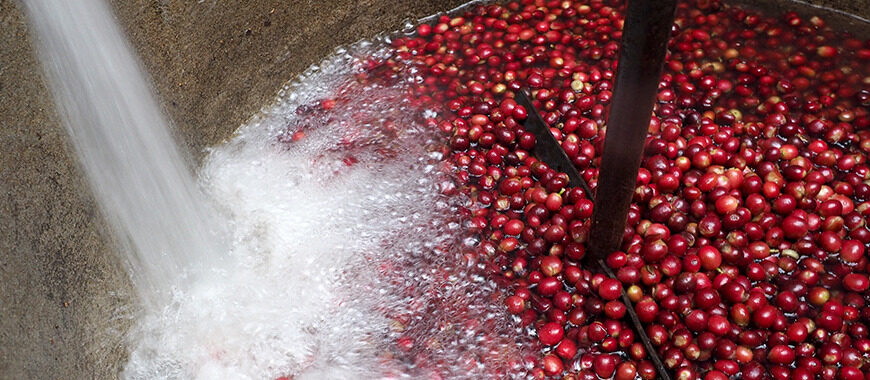
In accordance with Jamaican coffee quality standards, the cherries are hand-picked, with only the reddest, ripest ones selected to guarantee the best coffee beans. They are then immersed in water, a step that removes damaged cherries (which tend to float) from the batch. The fruit is wet-processed: the pulp is removed and the beans are stirred in water for many hours before drying. This method, rather than the drier natural process, is part of what gives Blue Mountain coffee its clean, balanced cup profile.
Processing typically happens in small batches, allowing for careful monitoring at every stage. Once dried, the beans are sorted and divided into different categories, with the highest quality beans, known as grade 1, reserved for export as what many consider the best coffee in the world.
The Jamaica Agricultural Commodities Regulatory Authority (JACRA) oversees this entire process to maintain strict quality standards. Real Blue Mountain coffee must carry an official certification mark to guarantee its authenticity, a crucial detail given the number of imitations on the market.
With this rigorous cultivation, harvesting and processing, Jamaica manages to produce between 1,000 and 1,350 tonnes of Blue Mountain coffee each year. To put this into context, Colombia produces more coffee per day than Jamaica produces Blue Mountain beans in a year! This limited supply makes authentic Blue Mountain coffee a coffee in high demand, and this scarcity, combined with precision, has contributed greatly to the reputation of this exceptional coffee.
Not all Jamaica Blue Mountain coffee beans are equal. Once harvested and processed, beans are sorted into official grades based on size and number of defects:
This grading system, overseen by JACRA, ensures that every bag of certified Jamaica Blue Mountain coffee meets a defined quality standard before it reaches your cup.
Several historic estates within the certified Blue Mountain regions produce the beans that reach international markets. Wallenford Estate, one of the island’s largest cultivators, has long supplied No. 1 Grade beans to UK roasters. Other recognised names include Clydesdale, Flamstead, and Sir John’s Peak. Each estate operates under the same certification requirements set by the Coffee Industry Board’s successor, JACRA, but subtle differences in altitude, soil and micro-climate can bring out slightly different notes from one estate to another.
Blue Mountain coffee trees take around 4 to 5 years to mature before producing their first cherries. Harvest typically runs from June to July, after which the labour-intensive process of hand-picking, wet-processing, drying, sorting and grading begins. This intensive process — combined with years of growth before the first harvest — is part of why annual supply remains so limited.
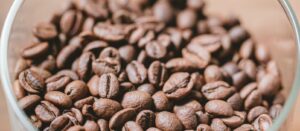
For decades, coffee from the Jamaican mountain range has ranked among the world’s most expensive coffees. Prices vary considerably depending on grade, estate and retailer, but genuine Jamaica Blue Mountain typically commands a premium price often quoted around £130 per kilo in the UK — though it can range higher depending on format and origin estate [prix à vérifier auprès des fournisseurs actuels]. It remains firmly in luxury coffee territory, even if it’s now surpassed by even rarer varieties like Kopi Luwak from Indonesia or Bourbon Pointu from Reunion Island, both of which can fetch over £345 per kilo.
Several factors drive this high price. The limited growing region (only specific areas above 910 metres qualify) restricts supply dramatically, capping annual production at just 1,000–1,350 tonnes. Hand-picking only the ripest cherries, strict government regulation, and meticulous processing all add to production costs. Perhaps most significantly, Japan purchases roughly 80% of the annual harvest — a relationship that began with a landmark shipment from the Port of Kingston on January 9, 1967. This date is now celebrated annually as Jamaican Blue Mountain Coffee Day, recognised by the Japanese government in 2018. The intense Japanese demand creates fierce competition for the remaining beans available to the rest of the world, including the UK.
For coffee lovers willing to pay the price, each cup delivers that delicious taste and balanced profile that has built this coffee’s legendary reputation. Curious to try it yourself? Discover the best Blue Mountain coffee selection.
| Coffee | Price per kilo |
|---|---|
| Jamaica Blue Mountain | ~£130 (variable by grade/retailer) |
| Bourbon Pointu (Reunion Island) | £345+ |
| Kopi Luwak (Indonesia) | £345+ |

If we understand that we’re dealing with a precious, rare and refined coffee, one question is on everyone’s lips: how does this luxurious beverage taste? Can we really say that this is the best coffee in the world? At MaxiCoffee, we like to point out that there is no such thing as the ‘best coffee’, but that there are coffees to suit everyone’s taste. This single-origin coffee from the Blue Mountains is no exception to this rule.
The Arabica Typica variety grown in these mountains is traditionally roasted to a medium roast level, which preserves its delicate flavour profile, intense aroma, and characteristic low acidity. Some UK roasters also offer lighter roasts of Blue Mountain coffee, which tend to highlight brighter floral and fruit notes — so the exact tasting experience can vary slightly from estate to estate and roaster to roaster. Here’s what to expect, dimension by dimension:
If you’re looking for fruity notes, an intense aroma and a bitterness that knows how to be discreet, this exceptional coffee will undoubtedly meet your expectations! So, best coffee in the world or not? It’s up to you to make up your mind! There’s only one way to find out: taste it! MaxiCoffee offers you a wide range of Blue Mountain coffee, in whole bean, ground or pods.
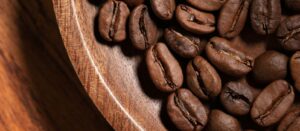
Finding authentic Jamaica Blue Mountain coffee in the UK requires a bit of care, but several trusted sources make it accessible. Speciality roasters like MaxiCoffee stock certified Blue Mountain coffee in various formats — whole bean, ground coffee, or convenient pods to suit your brewing method — with delivery options that bring a genuine cup of coffee straight to your door. A handful of select retailers and independent coffee merchants also carry this premium variety, though availability can vary and stock often sells quickly given the limited annual harvest.
When shopping, always look for the official certification mark from the Jamaica Coffee Industry Board. This seal guarantees you’re getting genuine Blue Mountain beans rather than a blend. Be particularly wary of Blue Mountain blend coffee, which often contains only a small percentage of actual Blue Mountain beans mixed with cheaper varieties. The price difference is telling: authentic Blue Mountain will command a premium, whilst blends sell for considerably less.
If you’re investing in what many consider the king of coffee, make sure you’re getting the real thing. Whether you choose whole bean or pre-ground coffee, the certification mark remains your best assurance of quality and authenticity, and reliable delivery means that exceptional cup is never far away.
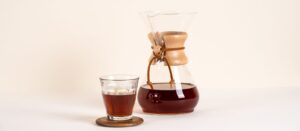
To get the most from your Jamaica Blue Mountain beans, a few simple guidelines make all the difference:
Given the premium price of authentic Blue Mountain coffee, a little care in brewing is a worthwhile investment.
As a serving suggestion, enjoy Blue Mountain coffee on its own, without milk or sugar, to fully appreciate its delicate sweetness and low acidity — many enthusiasts consider this the best way to taste its true character.

Yes — authentic Jamaica Blue Mountain coffee is available in the UK through specialist retailers and online coffee merchants. MaxiCoffee stocks certified JBM coffee in whole bean, ground, and pod formats, with the official JACRA certification mark guaranteeing authenticity. Always verify the seal before purchasing, as Blue Mountain “blends” and “style” coffees are widely sold alongside the genuine article.
Several factors combine to make JBM one of the world’s priciest coffees: the limited growing region, low annual production (1,000–1,350 tonnes), labour-intensive hand-picking on steep mountain slopes, strict government quality control, and the fact that over 80% of the harvest goes directly to Japan, leaving relatively little for the global market. The result is a classic supply-demand imbalance that keeps prices elevated.
Blue Mountain style or blend coffee contains only a percentage of real Blue Mountain beans mixed with other, more affordable coffees. Unlike 100% certified Jamaica Blue Mountain coffee, these blends don’t carry the protected designation and offer a more accessible price point. If you’re after the authentic experience, always look for the official JBM certification on the packaging.
The exceptional reputation comes from a unique combination of factors: high-altitude growing conditions above 910 metres, rich volcanic soil, the region’s distinctive micro-climate, meticulous hand-picking of only the ripest cherries, and Jamaica’s rigorous quality control standards. These elements work together to produce beans with remarkable balance and complexity.
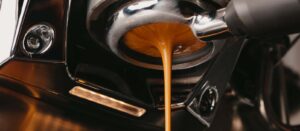
Hawaiian Kona is the closest comparison — grown in similarly volcanic soil at high elevation, it shares that clean, smooth profile and is even genetically close to Blue Mountain stock, though its flavour leans slightly brighter. Kopi Luwak, despite its very different fermentation process, appeals to the same collectors drawn to rarity and low bitterness. For a gentler price tag, Colombian Supremo offers a comparably rich, mild cup, while Costa Rican Tarrazú brings a smoother, nuttier alternative if you enjoy Blue Mountain’s understated character without the premium cost.
Blue Mountain coffee is medium-bodied and smooth rather than strong or intense. It’s celebrated for its exceptional balance and subtle complexity, not for bold caffeine punch or heavy roast characteristics. The flavour profile emphasises elegance and refinement over power, making it ideal for those who appreciate nuanced, approachable coffee.
Blue Mountain coffee is famous for its exceptional balance, remarkably low bitterness, and rarity — Jamaica produces only 1,000–1,350 tonnes a year under strict JACRA certification. Its nickname, the “Champagne of Coffee”, reflects this reputation for refinement and exclusivity.
Like other quality Arabica coffees, Blue Mountain coffee contains antioxidants and a moderate amount of caffeine. Its low acidity makes it a gentler option for those sensitive to more acidic coffees, though it offers no specific proven health benefit beyond that of other high-quality Arabicas.
Jamaica Blue Mountain coffee owes its legendary status to a rare mix of scarcity, strict certification, and an exceptionally smooth, low-bitterness cup. Whether it’s truly the “best coffee in the world” is a matter of taste — but for those willing to pay the price, it remains one of the most rewarding single-origins to try. Just always check for the official JACRA certification mark before you buy.
Discover all of our articles
Best Coffee Beans UK 2026: Top 10 Beans for Bean-to-Cup Machines
Our website has had a complete makeover, with a new design and improved features to make your-day-to-day browsing experience easier and more enjoyable.
To continue enjoying the MaxiCoffee experience, you’ll just need to reset your password.