



A manual espresso machine may be the perfect choice for espresso lovers seeking full control over their brew. While they…



Written by Clémence
Reading time 19 min
Callan – coffee machine expert at MaxiCoffee
Our recommendations are based on hands-on testing and years of experience helping home baristas choose the right home espresso machine. Every model in this guide has been tested on our counter, not just compared on a spec sheet, so the pros and cons you’ll read further down reflect real day-to-day use.
Here’s the short version: across the four budget tiers below, prices range from £149 to £690. The table further down gives you the exact budget tier, portafilter size and key highlight for each model at a glance, so you can jump straight to our top pick for your budget.
For coffee purists and aspiring home baristas, manual lever espresso machines offer an unmatched hands-on experience. All four models below are non-electric: none of them needs mains power to extract espresso, which makes them lighter, more portable and easier to maintain than an automatic bean-to-cup or pump-driven machine — you simply heat water separately (kettle) before brewing. Here is a quick breakdown of our top expert-tested recommendations for this year, from entry-level to premium:
| Model | Budget Tier | Portafilter / Basket | Key Highlight | Price |
|---|---|---|---|---|
| ROK Presso Smartshot | Under £200 (Cheap) | Smartshot basket | Dual-arm lever with pressure-regulating basket | £149.00 |
| Flair Espresso PRO 2 | Under £350 | Custom PRO 2 basket | Integrated pressure gauge & custom carry case | £315.00 |
| Flair 58X | Under £500 | 58.5 mm bottomless | Non-electric commercial 58mm setup | £429.00 |
| Superkop Espresso Maker | Under £1,000 (High-End) | 58 mm standard | Mechanical ratchet lever, robust aluminium body | £690.00 |
 At MaxiCoffee, our coffee machine experts spend hundreds of hours testing every espresso maker sold on our site, comparing build quality, ease of use, portafilter compatibility and real-world espresso quality. What unites them all? The pure joy of savouring the rich aromas of freshly ground coffee through manual pressure profiling. Here are our top picks:
For every best espresso machine pick in this guide, we test build quality, extraction consistency and ease of use over several weeks, not just a single shot. A nice touch we look for is thoughtful design detail — a wooden base, a proper tamper, a travel case — the kind of thing that makes daily use easier for a long time. We also remember that everyone’s first espresso off a new machine takes a little practice, so ease of use matters as much as raw extraction potential when we’re deciding on the best espresso machine for a given budget.
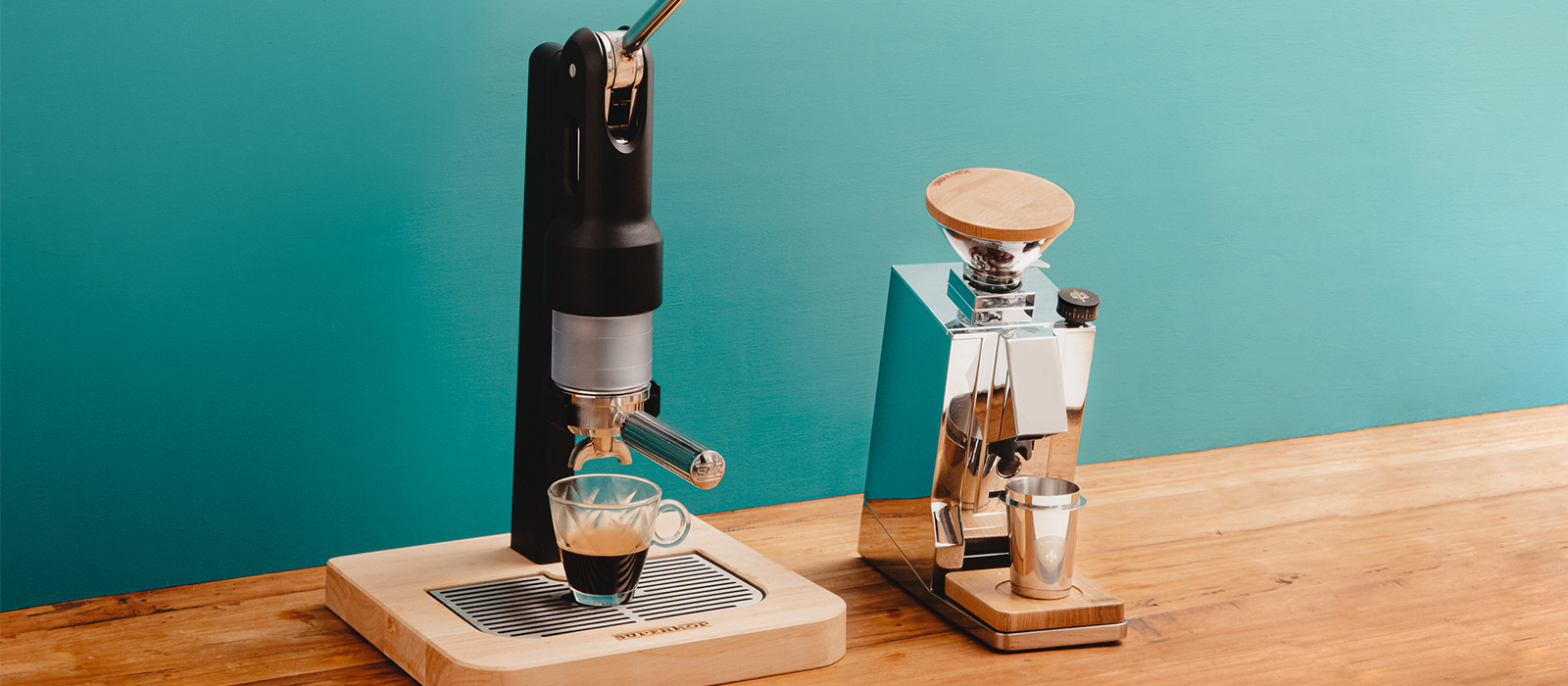
The Superkop Espresso Maker is an excellent choice if you are after an innovative single-lever espresso machine made from durable, robust materials. It is easy to use, offers a modern and elegant design and operates without electricity. The Superkop’s body is constructed from cast aluminium, while its internal structure and pivoting components – the portafilter and filter – are constructed from stainless steel.
Why it’s a strong pick: The Superkop combines an eco-conscious, non-electric design with a build quality that feels genuinely premium on the counter. It suits anyone who wants a manual espresso maker that also works as a statement piece in a modern kitchen. Performance-wise, its simple ratchet mechanism makes it easy to reach consistent pressure shot after shot. The wooden base is a nice touch, too, adding warmth to what is otherwise an all-metal machine.
Pros
Cons
Best for: Home baristas who want a robust, eco-design manual machine with a modern kitchen aesthetic. Weighing the pros and cons above, the Superkop’s main con is the learning curve, but its build quality largely offsets this. Built almost entirely from metal, it’s designed to serve you well for a long time with only minimal upkeep.

Superkop Espresso Maker in White + Free Coffee and Gifts
• + Free Coffee and Gifts
• Lever-operated espresso machine
• 58 mm extraction unit
• Moulded aluminium body and wooden base
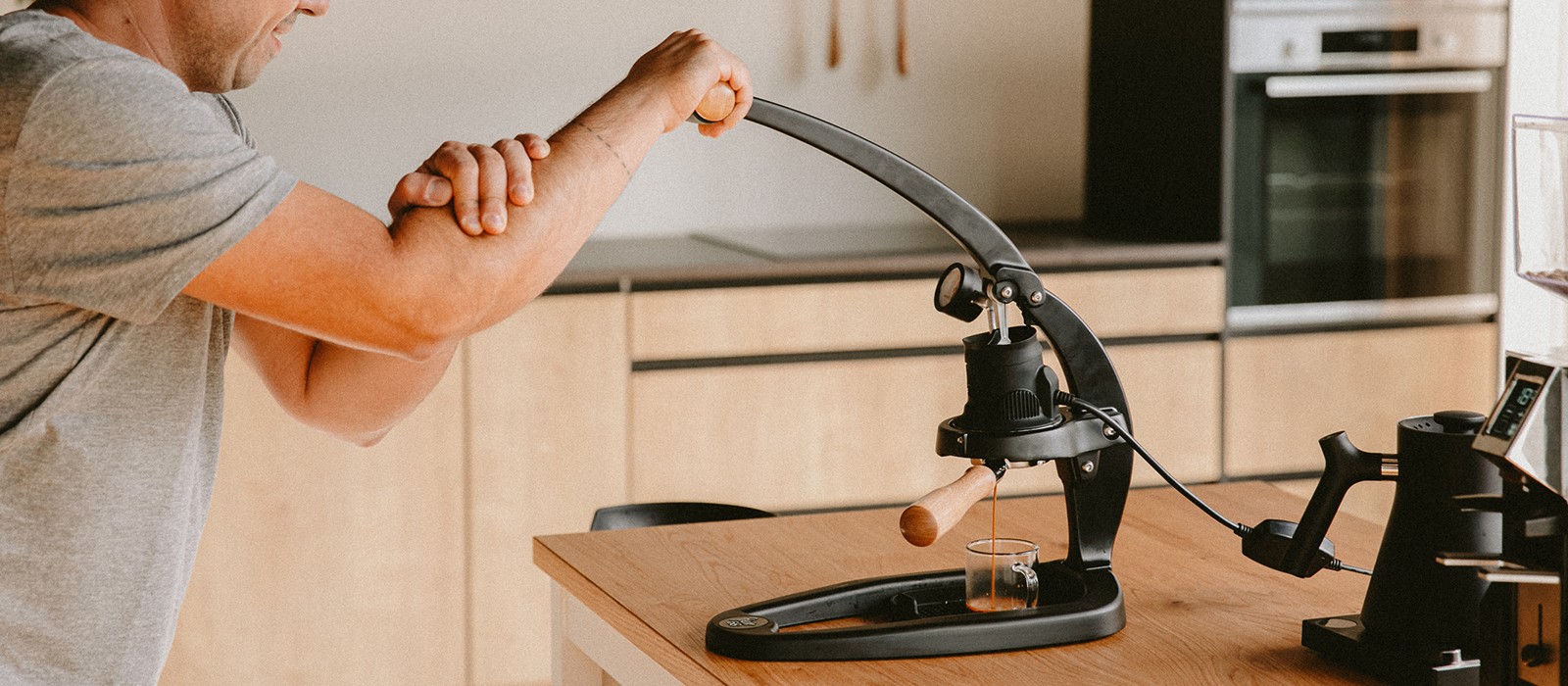
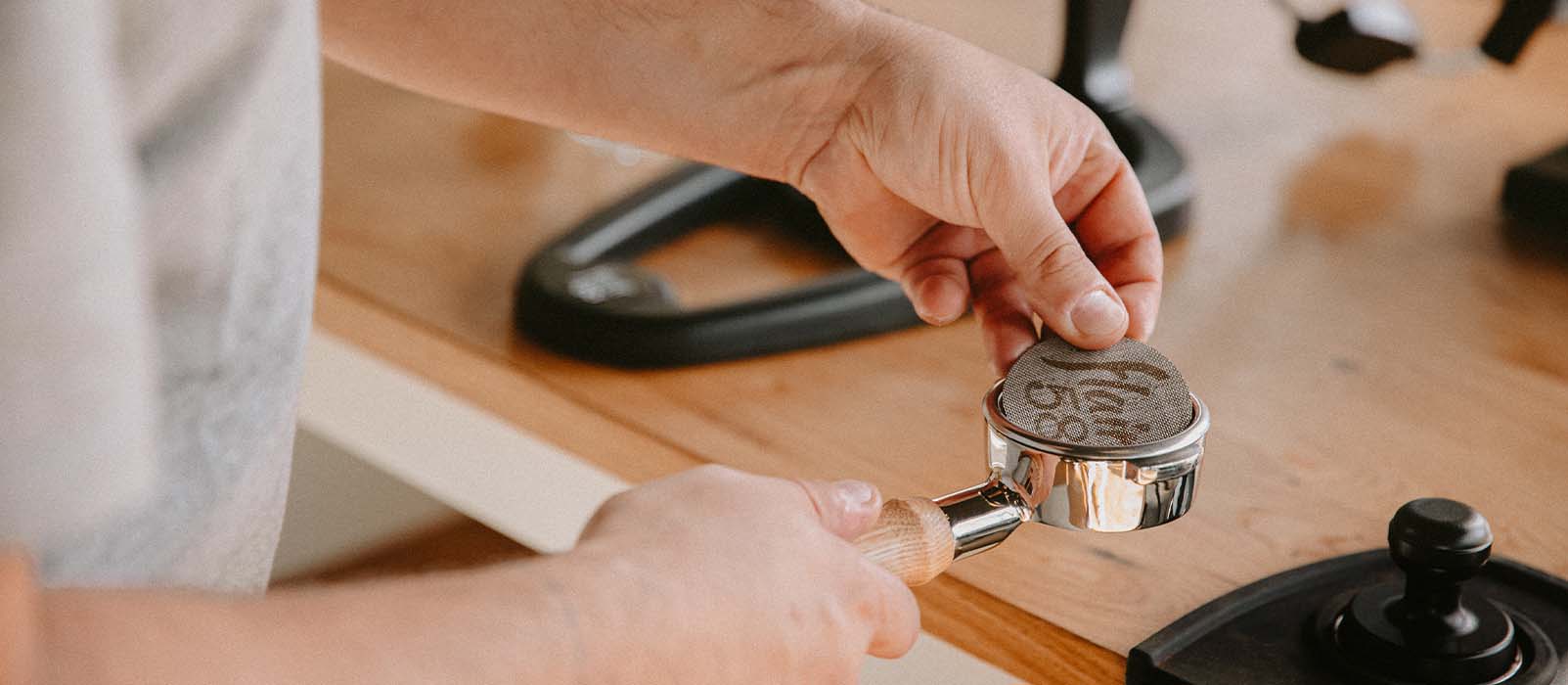
The Flair 58X is a fully manual, portable espresso maker that offers professional-grade espresso without electricity. Its robust frame and wider base improve stability, while the industry-standard 58mm portafilter allows for wider compatibility with tools and baskets. Two preheat caps (open and closed) enable temperature control, and the wooden handle ensures comfortable operation. The low-flow 18g basket simplifies grind size for easier espresso extraction, making it ideal for a wide variety of grinders. Overall, it delivers consistent performance shot after shot, provided your grind and dose stay dialled in.
Why it’s a strong pick: The standard 58 mm portafilter is the Flair 58X’s biggest advantage: it gives home baristas access to the same accessories, baskets and distribution tools used on commercial-style machines, without needing electricity. The two preheat caps also make temperature management noticeably easier than on fully unheated levers, which is particularly useful if you enjoy pulling shots with light-roast espresso, where temperature accuracy matters most. It’s the pick for anyone who wants to grow their setup over time.
Pros
Cons
Best for: Home baristas seeking professional 58 mm versatility without electricity. As with any manual machine, it’s worth weighing these cons against the control and accessory compatibility you gain — it’s a solid choice for daily use once you’ve settled into the routine.

Flair Espresso Flair 58X Non-Electric + Free Coffee and Gifts
• + Free Coffee and Gifts
• With 58.5mm Puck Screen
• 58mm Bottomless Portafilter
• Stainless Steel Portafilter
The Flair PRO 2 boasts a removable spout, an enhanced bottomless portafilter, a gauge guard for added durability, and a silicone grip for improved brewing ergonomics. Housed in a portable kit complete with its own carrying case, the Flair PRO 2 is a model of convenience, allowing you to enjoy exceptional espresso anywhere you go. Achieve precise shot extraction effortlessly thanks to its large capacity cylinder and portafilter. The integrated pressure gauge ensures optimal brewing conditions.
Why it’s a strong pick: The built-in pressure gauge is a genuine learning aid: it lets you see and correct your technique shot after shot, which is particularly useful for anyone still dialling in their pressure profile. Combined with the carry case, it’s the most travel-ready option in this selection, and the included tamper is a nice touch for anyone who doesn’t already own one.
Pros
Cons
Best for: Travellers and home baristas who want precision extraction on the go.

Flair Espresso Pro 2 White Manual Espresso Maker + Free Coffee
• Free Coffee and Gifts Included
• Carry case included
• Bottomless portafilter for better flow dynamics
• Removeable stainless steel spout
Both elegant and eco-friendly, the ROK Presso SmartShot lever espresso machine offers an unbeatable manual espresso-making experience for a smaller budget than the other models in this selection.
This manual espresso machine lets you control all the extraction parameters: quantity of coffee, grind, water temperature and pressure. By favouring muscle power over electricity, ROK invites you to rediscover an old-fashioned way of making coffee and enjoy every stage of the preparation process to the full.
Why it’s a strong pick: The pressure-regulating basket takes some of the guesswork out of manual extraction, making the ROK Presso Smartshot the easiest machine in this line-up to get consistent results from on day one. Despite its low price, it’s built to last a long time thanks to its simple, robust mechanism.
Pros
Cons
Best for: Beginners, small kitchens and anyone on a tighter budget who still wants genuine value for money.

ROK Presso Smartshot Black Manual Espresso Machine + 250g Free Coffee
• For Freshly Ground Coffee
• Ideal for Travel and Small Spaces
• Pressure Control by Arm Power
• Portafilter fitted with our smartshot basket
Manual espresso machines offer coffee enthusiasts complete control over every aspect of their brewing process, from pressure to extraction time. These lever-operated devices use physical force rather than electric pumps to create the perfect shot, allowing you to craft café-quality espresso at home.
Perhaps you are looking for a portable version for your travels rather than a robust countertop model? Follow our guide to find the perfect portable coffee maker.
Beyond the ritual, a manual espresso machine offers three concrete advantages over an automatic model: full control of your extraction, fewer parts that can fail, and — for the non-electric levers in this guide — genuine portability.
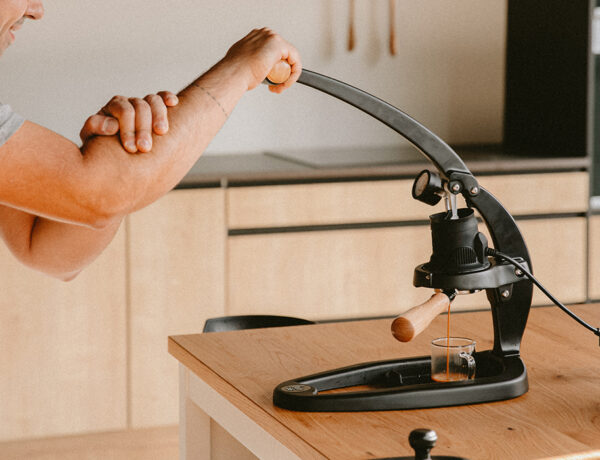
A manual espresso machine is a traditional coffee-making device that requires the user to take an active role in the brewing process. Unlike automatic espresso machines, which automate much of the extraction, manual machines give the user greater control over how the espresso is brewed, from pre-infusion to pressure and flow.
Manual espresso machines are particularly valued by coffee enthusiasts for their simplicity, durability, and hands-on approach to brewing. With the right technique, they can produce high-quality, barista-style coffee with the flavour, aroma, body, and crema expected from a professional-style extraction. Most models, including the ones in this guide, also include a small drip tray under the group head to catch any spills or drips during extraction. Before buying, it helps to weigh up the pros and cons of manual brewing: greater control and a lower long-term cost of ownership, against a steeper learning curve and the need to empty the drip tray and clean the group head regularly.
It’s worth understanding the two main types of manual espresso machine before you buy:
Unlike fully automatic espresso machines, a traditional manual espresso machine relies primarily on mechanical force and user control to push hot water through finely ground coffee at high pressure. Depending on the design, this force may be generated by a lever and piston mechanism or, in some manual models, assisted by a pump.
The main components involved in the brewing process include:
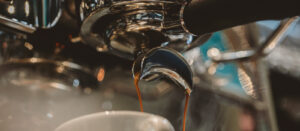
Overall, a manual espresso machine combines mechanical pressure, precise temperature control, and hands-on extraction. Rather than simply pressing a button, the user actively influences the brewing process, particularly during pre-infusion and pressure-controlled extraction.
Even seasoned home baristas remember their first espresso off a new lever machine being a little rough around the edges. Here’s how to avoid the most common pitfalls:
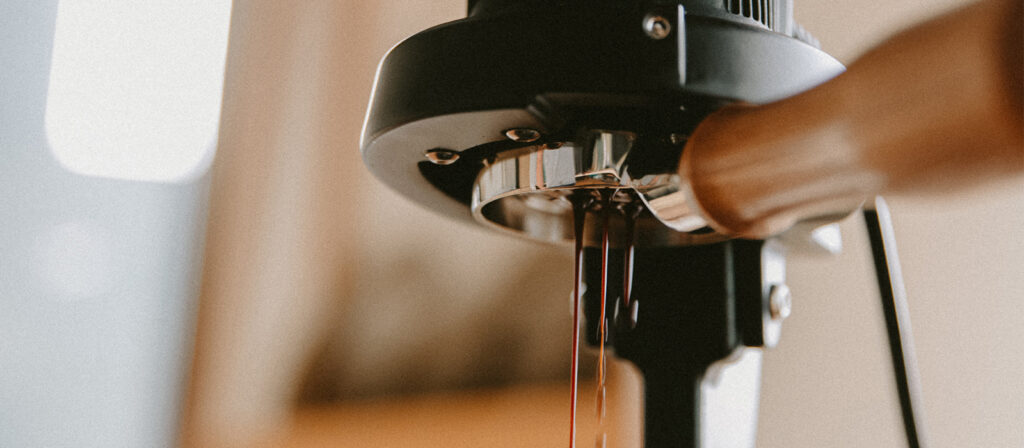
Choosing the perfect manual espresso machine for you will depend on your needs, your budget and your level of coffee knowledge. There are several types of percolator espresso machine to choose from.
But if you’re still not sure how to choose from our comparison, here are a few tips to help you.
Criteria for choosing your manual espresso machine :

Equipment & Build Quality: Look for durable materials like stainless steel, cast aluminium, or brass to ensure thermal stability and long-lasting performance under high pressure.

Size & Footprint: Check your available kitchen counter space or coffee nook. Sturdy countertop models like the Superkop require vertical clearance, whereas portable setups like the Flair PRO 2 pack away into small bags.

Portafilter Type (58mm vs Custom): Standard 58mm portafilters offer wide compatibility with aftermarket distribution tools, tampers, and precision baskets. Custom baskets (like on portable lever makers) are compact and efficient but limit third-party accessory choices.

Ease & Speed of Use: Assess how user-friendly the lever mechanism is, how easy it is to preheat the cylinder, and how fast you can prepare a shot from start to finish.

Skill Level: Beginners may prefer pressurized or smart baskets (like the ROK Smartshot), while experienced users will enjoy open bottomless baskets (like the Flair 58X).
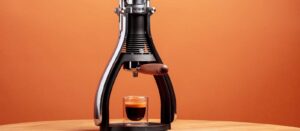
A good grinder matters just as much as the machine itself, if not more. An inconsistent grind is the single most common reason home baristas struggle to get good results from a manual lever machine, regardless of how well-built it is.
Avoid pre-ground coffee where possible: it loses freshness quickly and rarely delivers the fine, consistent grind a manual espresso machine needs. Pairing any of the machines in this guide with a dedicated coffee grinder is the single best upgrade you can make to your setup. If you occasionally need to use pre-ground coffee, our guide to the best ground coffee for espresso machines can help you pick a fresher, more consistent option.

It’s worth noting that popular automatic and bean-to-cup ranges from brands like Sage, De’Longhi and Breville sit at the other end of this spectrum: they prioritise speed and one-touch convenience over the hands-on control offered by a manual lever machine. If you’re comparing options, our guide on how to choose a De’Longhi coffee machine covers the automatic side of the decision in more detail.
| Criterion | Manual (Lever) Espresso Machine | Automatic / Bean-to-Cup Machine |
|---|---|---|
| Speed & Convenience | 3–5 minutes (manual preheating & pressing) | Fast (60–90 seconds at the push of a button) |
| Pressure Control | Dynamic manual pressure profiling (0–9+ bar) | Fixed automated pump profile |
| Electricity Use | None needed for extraction (requires external kettle) | Requires mains electrical power |
| Durability & Care | Few moving parts; simple o-ring care & descaling | Complex electronics; frequent cleaning & descaling cycles |
| Cup Quality Potential | High potential; tailored to specialty coffee beans | Consistent and convenient; limited customization |
“Manual espresso machine” can mean two things:
In short: choose a lever machine for maximum control, portability and a hands-on experience; choose a semi-automatic for greater convenience and consistency.
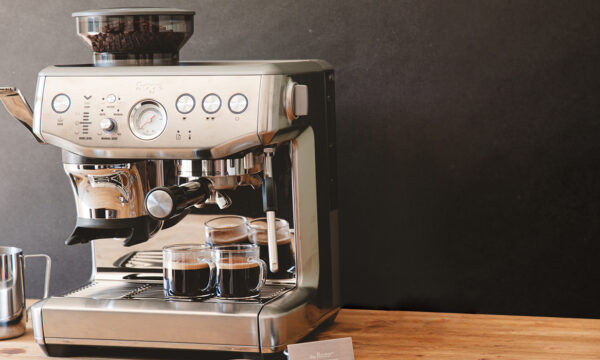
Brands such as Sage, De’Longhi and Breville offer automatic and bean-to-cup machines that handle much of the grinding, dosing and brewing for you. They’re faster and easier to use, but offer less control than a manual lever machine.
Manual machines also have fewer components to maintain, particularly non-electric models without pumps, boilers or solenoid valves.
Pod machines are the simplest and quickest option, using pre-portioned capsules. They prioritise convenience over freshness, control and espresso quality.
Some manual machines include a steam wand for cappuccinos, lattes and flat whites. If yours doesn’t, such as the ROK Presso Smartshot, a standalone milk frother is an easy alternative.
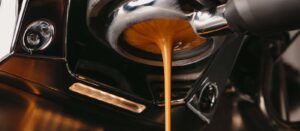
A manual espresso machine is the perfect match if:
However, if speed, one-touch milk drinks, and hands-off convenience are your main priorities, an automatic bean-to-cup machine might better suit your lifestyle.
The best choice depends on your specific needs. For home baristas wanting standard commercial 58mm accessories, the Flair 58X and Superkop are our top picks. If portability is key, the Flair PRO 2 leads the class, while the ROK Presso Smartshot offers the best ease-of-use for beginners.
No! Most manual espresso machines require no electricity to generate pressure. You simply boil water in a kettle, pour it into the machine’s cylinder, and operate the lever by hand. None of the four machines in this guide are made in Italy either — the Superkop, for example, is a Dutch-designed lever machine — but they’re all built around the same Italian espresso tradition of roughly 9 bar of extraction pressure.
Manual (lever) machines give you full control over pressure, flow and pre-infusion, which can produce a richer, more personalised espresso. Automatic and bean-to-cup machines are faster and easier to use but offer far less control over the extraction. “Better” really depends on whether you value hands-on precision or push-button convenience.
This nickname is often used informally for premium, high-end lever espresso machines that offer exceptional build quality and precise pressure control. Within a manual espresso machine range, models with all-metal construction and a standard 58 mm portafilter — like the Superkop or Flair 58X in this guide — are generally seen as the closest equivalent for home use, without the price tag of far more expensive machines used in professional coffee shops.
For most home users, the best manual espresso machine is one that matches your skill level and kitchen space. The Flair 58X and Superkop suit home baristas who want standard 58 mm accessory compatibility, while the ROK Presso Smartshot is the easiest for home use if you’re just starting out.
There’s no single “best coffee machine” for everyone — it depends on whether you prioritise control (manual lever machines), convenience (automatic bean-to-cup machines like Sage or De’Longhi), or simplicity (coffee pod machines). If hands-on brewing and maximum control matter most to you, a manual espresso machine such as the ones featured in this guide is the best coffee machine for your needs.
There you have it, you now have all the know-how to pick the best manual espresso machine to suit your needs. Want to have a look at a few more options? Take a look at our full selection of coffee makers .
Discover all of our articles
Our website has had a complete makeover, with a new design and improved features to make your-day-to-day browsing experience easier and more enjoyable.
To continue enjoying the MaxiCoffee experience, you’ll just need to reset your password.